understanding the importance of padlock for loto in industrial safety
Release time:2026-01-22 01:20:06
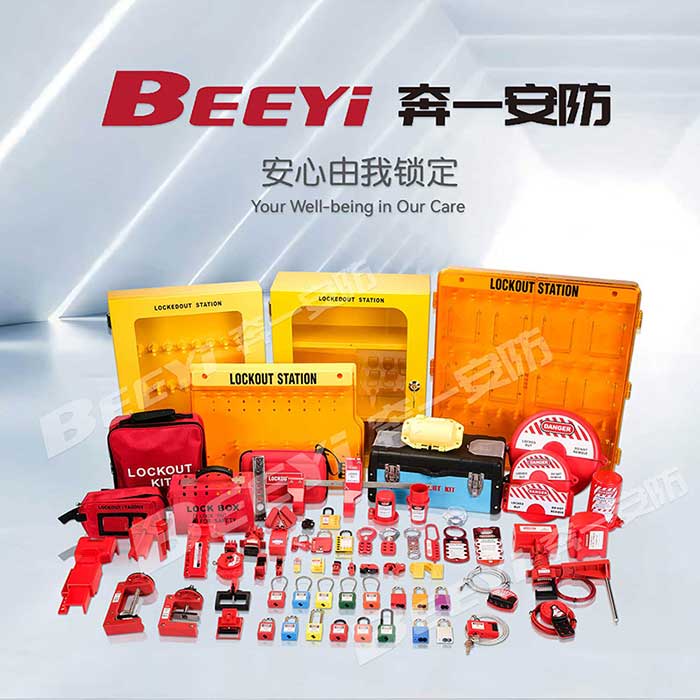
In industrial settings, employee safety is paramount. One of the critical procedures instituted to enhance safety is the Lockout/Tagout (LOTO) process, which is designed to prevent the unexpected energization or startup of machines and equipment during maintenance and servicing. At the heart of this safety protocol lies the padlock for LOTO, an essential tool that plays a pivotal role in ensuring that hazardous machines are properly shut down and unable to be accidentally energized.
The Fundamentals of LOTO
Lockout/Tagout refers to the specific practices and procedures established to safeguard workers from the dangers posed by hazardous energy. This energy can take various forms: electrical, mechanical, hydraulic, thermal, or chemical. The LOTO process is legally mandated in many countries and aims to protect workers during the service and maintenance of machines and equipment.
The LOTO procedure consists of two main components: lockout and tagout. Lockout involves using a physical lock, usually a padlock, to secure the energy-isolating device, preventing any energy flow to the machine. Tagout complements this by placing a clearly visible tag on the locked-out device to inform other workers that the equipment is not to be operated.