pneumatic lockouts application: ensuring safety in industrial environments
Release time:2026-01-22 05:19:06
In industrial settings, safety is paramount, especially when dealing with heavy machinery and complex systems that use pressurized air. One essential safety device that has become a standard for ensuring the protection of workers during maintenance or servicing tasks is the Pneumatic Lockout. This device plays a crucial role in controlling hazardous energy and preventing accidental equipment startup, thereby safeguarding personnel and complying with safety regulations. In this article, we will explore the application of Pneumatic Lockouts in industrial environments, their benefits, and how they contribute to a safer workplace.
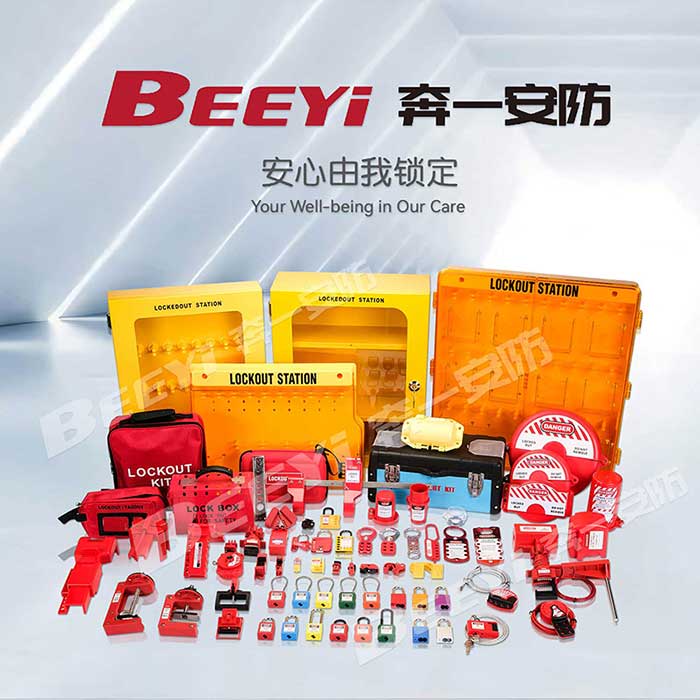
What is Pneumatic Lockout?
A Pneumatic Lockout is a safety device designed to isolate and secure pressurized air systems, preventing unintended activation of machinery and equipment. It works by locking valves, fittings, or other components in a closed position, effectively cutting off the flow of compressed air. This ensures that workers performing maintenance or repairs are not exposed to the risks of equipment inadvertently starting up while they are working on it.
Typically, Pneumatic Lockouts are used in conjunction with lockout/tagout (LOTO) procedures, which are part of a broader safety program designed to manage hazardous energy during maintenance. These procedures help ensure that employees are properly protected from physical harm while they are servicing or maintaining equipment.