electrical equipment lockouts technical support: ensuring safety and compliance in industrial environments
Release time:2026-01-22 06:17:52
In industrial settings, especially those dealing with high-voltage electrical systems, safety is paramount. One of the most critical safety protocols used in electrical maintenance and repair is the practice of Electrical Equipment Lockouts. This procedure is designed to prevent accidents, protect workers, and ensure compliance with safety regulations. Electrical Equipment Lockouts technical support plays an essential role in helping companies implement, maintain, and improve their lockout/tagout programs. In this article, we will discuss the key components of electrical equipment lockouts and the importance of technical support in ensuring their effectiveness.
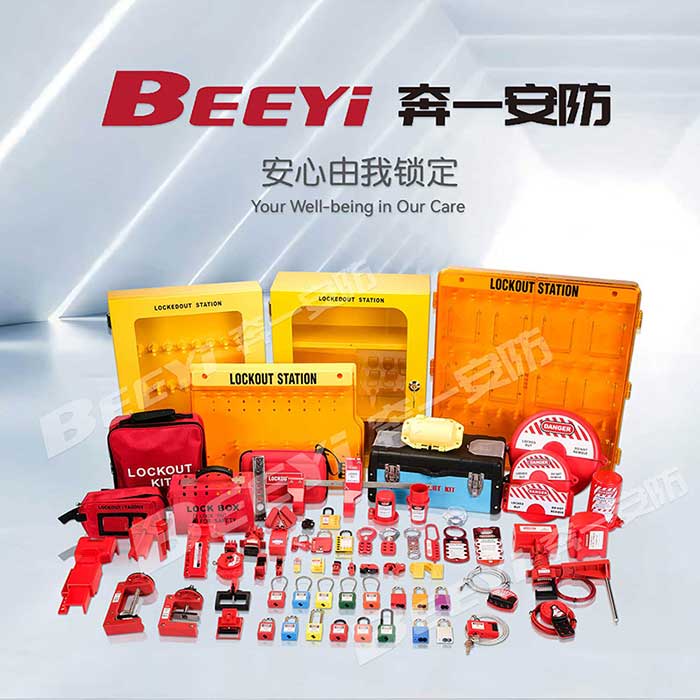
The Importance of Electrical Equipment Lockouts
Electrical equipment lockouts involve a series of safety measures that ensure electrical devices are securely isolated during maintenance and repair. These measures include using locks, tags, and other devices to prevent the accidental reactivation of electrical equipment while it is being serviced. The lockout process ensures that workers are not exposed to hazardous electrical energy, thus preventing accidents such as electrocution, electrical burns, and other injuries that can occur when machinery is inadvertently powered on.
The lockout procedure is crucial in a variety of industries, including manufacturing, power generation, and chemical processing. Electrical equipment in these environments often operates at high voltages, and improper handling can lead to catastrophic consequences. Therefore, ensuring that proper lockout procedures are followed is essential to safeguarding workers’ health and preventing workplace accidents.