understanding lock out equipment: ensuring safety in the workplace
Release time:2026-01-22 15:51:24
In industrial settings, manufacturing plants, and construction sites, the safety of workers is paramount. One critical aspect of workplace safety involves the proper management of machinery and equipment during maintenance and repair. This necessity has led to the development of Lock Out/Tag Out (LOTO) procedures, which incorporate lock out equipment as a vital component of safety protocols. Understanding the importance, function, and implementation of lock out equipment is essential for creating a safe working environment.
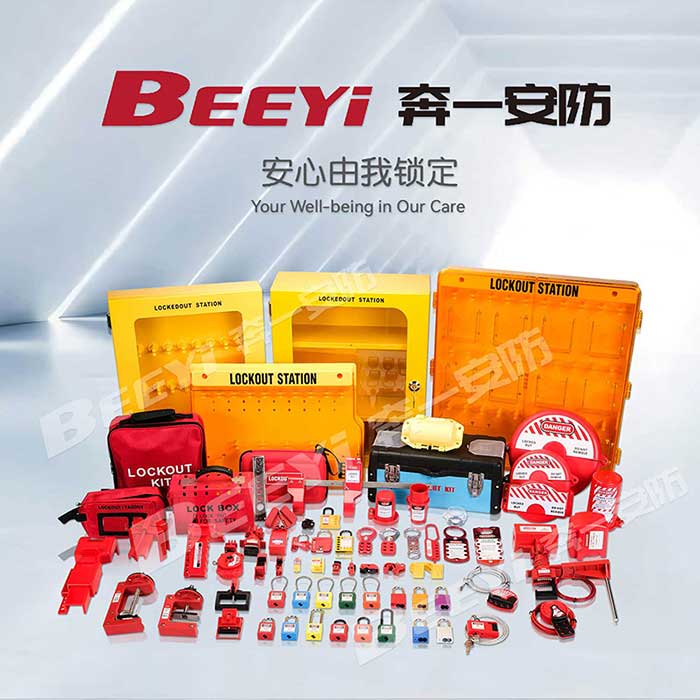
Lock out equipment refers to various devices and tools used to prevent the accidental startup or release of hazardous energy from machinery or electrical systems during maintenance activities. The goal of LOTO procedures is to safeguard employees from potential injuries caused by unexpected equipment activation, particularly when workers are performing repairs or adjustments.
The Importance of Lock Out Equipment
The importance of lock out equipment cannot be overstated, as it plays a crucial role in preventing workplace accidents and protecting employees. Every year, countless injuries and fatalities result from improper handling of machinery, often due to unexpected machinery startups. According to data from the Occupational Safety and Health Administration (OSHA), failure to implement effective lockout/tagout procedures accounts for a significant proportion of workplace injuries in the United States. By utilizing lock out equipment, employers can significantly reduce the risk of these preventable accidents and ensure a safer working environment.