ensuring safety in industrial settings: the importance of valve lockout devices
Release time:2026-01-22 23:53:55
In industrial environments, safety is paramount. With complex machinery and hazardous materials, the risk of accidents is ever-present. One critical aspect of maintaining safety during the maintenance and servicing of equipment is the use of lockout/tagout (LOTO) procedures. Among the essential components of these procedures are valve lockout devices. These devices play a crucial role in the prevention of accidental valve operation during maintenance work, ensuring a safer working environment for all personnel.
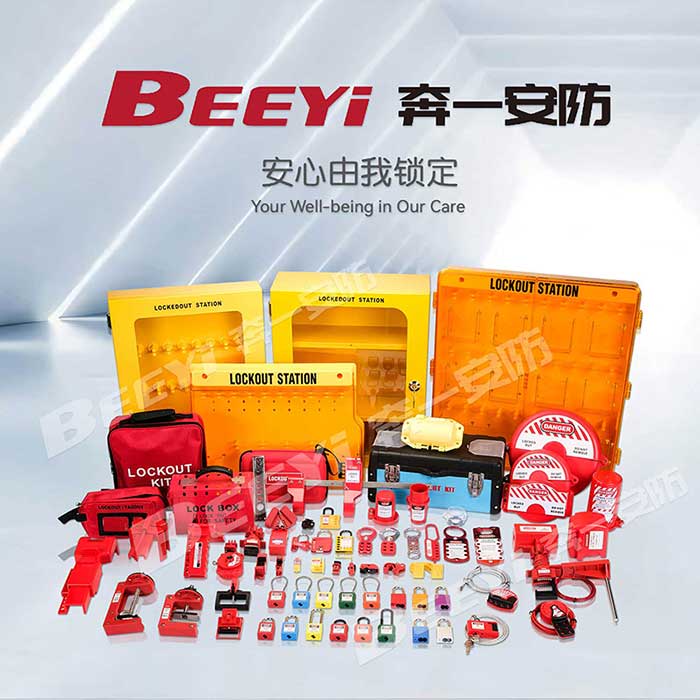
Valve lockout devices are specialized tools designed to physically secure valves in either the “open” or “closed” position. By preventing unauthorized access or accidental operation, they help mitigate the risk of hazardous materials being released. This is especially vital in industries such as oil and gas, chemical manufacturing, and water treatment, where the errant operation of a valve could lead to catastrophic incidents, including leaks, spills, or even explosions.
The design of valve lockout devices is varied, accommodating different types of valves, including ball valves, gate valves, and butterfly valves. These features ensure that facilities can implement lockout procedures that are both effective and tailored to their specific equipment. For instance, some devices may utilize a robust locking mechanism that attaches directly to the valve handle, while others may fit into the valve body itself. The availability of various designs allows technicians to choose the most appropriate device for their specific situation, enhancing safety and efficiency.