lock out equipment: ensuring safety in industrial workplaces
Release time:2026-03-13 15:55:05
In modern industrial workplaces, the safety of personnel is paramount. One of the most effective methods for preventing accidents during equipment maintenance or repair is the use of lock out equipment. This set of safety tools and procedures, often referred to as Lockout/Tagout (LOTO), plays a critical role in protecting workers from unexpected machinery startups and hazardous energy releases. Understanding the purpose, types, and proper use of lock out equipment is essential for any organization committed to workplace safety.
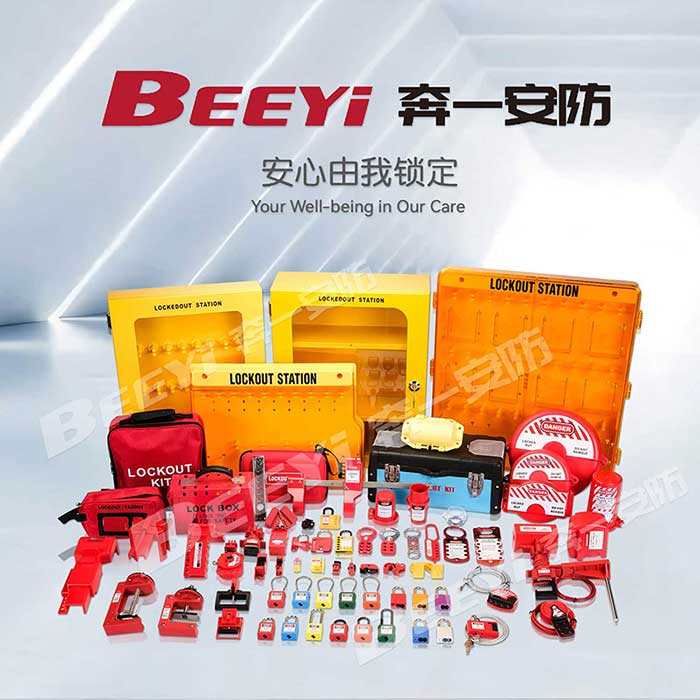
Lock out equipment is designed to physically prevent the operation of machines while maintenance is being performed. It typically involves applying a lock to energy-isolating devices, such as switches, circuit breakers, valves, or plugs. Along with a lock, a tag is often attached to indicate that the equipment is being serviced and should not be operated. While tagging alone provides a warning, the physical lock ensures that the machinery cannot be accidentally activated, creating a secure barrier between workers and dangerous energy sources.
The types of lock out equipment vary depending on the energy source. For electrical systems, devices such as circuit breaker locks or plug locks are used to prevent electrical current flow. Mechanical energy, such as moving gears or conveyor belts, can be controlled with handle locks or gear locks. For fluid or gas systems, valve locks or pipe locks are employed to stop the flow of air, water, steam, or other pressurized substances. In complex machinery where multiple energy sources exist, multi-point lockout devices may be used to ensure that all potential hazards are simultaneously secured.