lock out equipment: ensuring workplace safety through effective energy isolation
Release time:2026-04-29 10:24:42
Lock out equipment plays a crucial role in maintaining workplace safety, particularly in industrial settings where machinery and electrical systems present significant hazards. These devices are designed to prevent the accidental release of hazardous energy, such as electricity, mechanical movement, hydraulic pressure, or compressed air, during maintenance, repair, or cleaning operations. By effectively isolating energy sources, lock out equipment reduces the risk of injury and ensures that workers can perform their tasks in a secure environment.
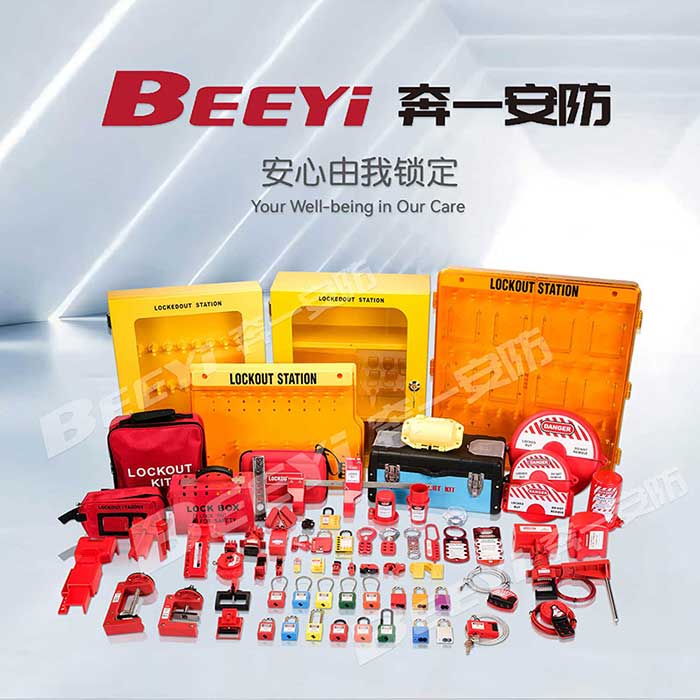
The concept of lockout stems from the broader safety practice known as Lockout/Tagout (LOTO), which combines physical locking devices with warning tags to indicate that a machine is under maintenance and must not be operated. Lockout equipment includes a wide range of tools, each serving a specific purpose in controlling access to energy sources. Common devices include padlocks, lockout hasps, valve lockouts, circuit breaker lockouts, and plug locks. Padlocks are used to physically secure switches or disconnects, preventing them from being turned on accidentally. Lockout hasps allow multiple workers to attach their individual locks to a single energy-isolating device, ensuring that the equipment cannot be re-energized until all workers have finished their tasks. Valve lockouts and circuit breaker lockouts are specifically designed to isolate fluid and electrical systems, respectively, while plug locks secure electrical plugs to prevent inadvertent power restoration.