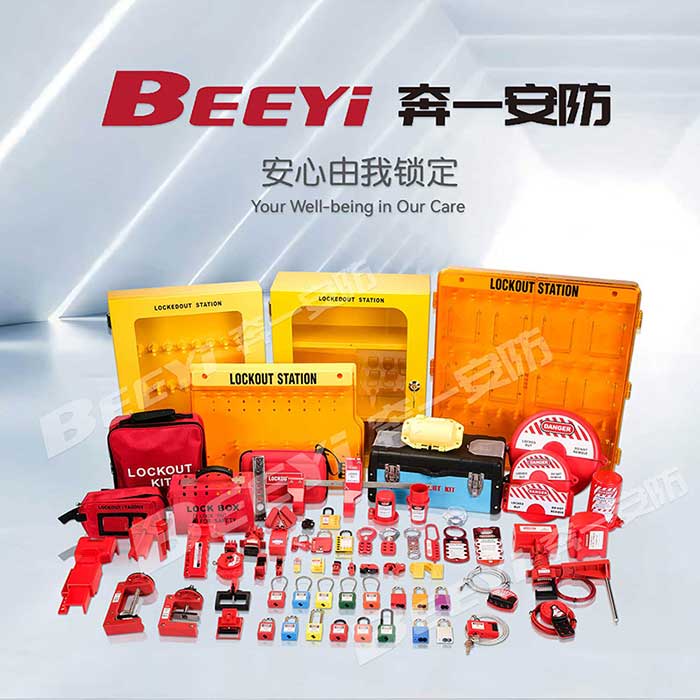

Electrical Equipment Lockouts are crucial safety protocols implemented to protect workers from the risks associated with the accidental energization or start-up of electrical equipment during maintenance, repair, or service work. These practices, which involve physically locking and tagging electrical equipment, ensure that machinery remains in a de-energized state, preventing dangerous accidents or injuries. The adoption of lockout/tagout (LOTO) procedures is not just a best practice but a legal requirement in many countries, regulated by standards such as OSHA (Occupational Safety and Health Administration) in the United States. The following article explores the significance, steps, and benefits of Electrical Equipment Lockouts in safeguarding worker health and improving workplace safety.