the importance of loto devices in workplace safety
Release time:2025-11-29 15:26:16
In industrial settings, ensuring the safety of workers is of paramount importance. One of the most effective ways to safeguard workers from potential accidents is through the implementation of Lockout/Tagout (LOTO) procedures. A key component of these procedures is the use of LOTO devices, which serve to lock out or tag equipment to prevent it from being operated during maintenance or repair. These devices play a critical role in preventing accidents and ensuring that equipment remains inactive while workers perform necessary tasks.
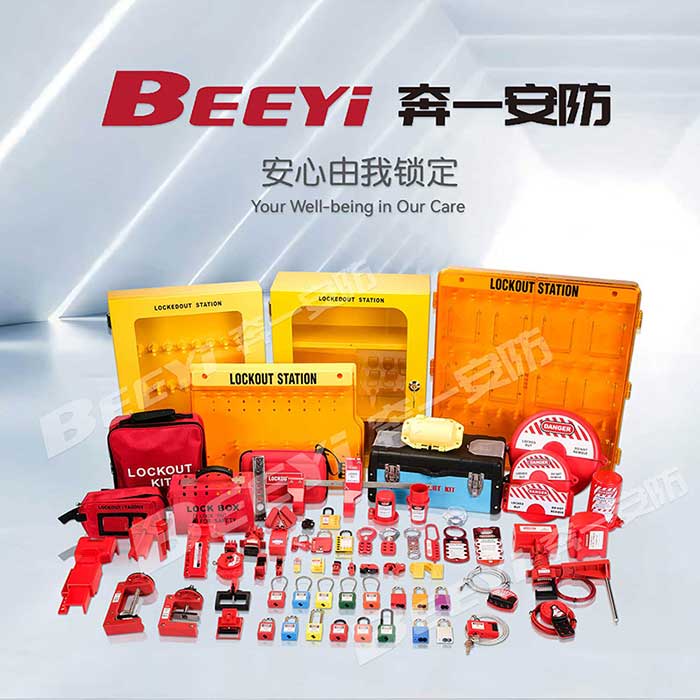
What are LOTO Devices?
LOTO devices are safety tools used as part of a Lockout/Tagout procedure. Lockout refers to the physical locking of an energy-isolating device to prevent the release of hazardous energy, such as electrical or mechanical power. Tagout involves attaching a clearly visible tag to the device to inform others that the equipment should not be operated until the maintenance work is complete. Together, these procedures reduce the likelihood of accidents caused by inadvertent equipment startup, which can lead to severe injuries or even fatalities.
LOTO devices come in a variety of forms, each designed to lock or tag specific types of energy-isolating mechanisms. These can include locks, tags, hasps, valve lockouts, and electrical lockouts, all of which help to securely isolate equipment from its power source. For example, lockout hasps allow multiple locks to be attached to a single energy-isolating device, which is useful when several workers are involved in the maintenance process. Tags, on the other hand, are used to convey the message that maintenance is in progress and that the equipment is not to be operated.