valve lockout device: ensuring safety and compliance in industrial operations
Release time:2025-11-30 10:00:50
In industrial environments, safety is always a top priority. One of the essential safety tools used to ensure that workers are protected during maintenance or repair work is the Valve Lockout Device. This device plays a critical role in energy isolation, preventing accidental valve operations that could lead to hazardous situations. In this article, we will explore the purpose, types, and benefits of valve lockout devices, as well as their importance in enhancing workplace safety and complying with regulations.
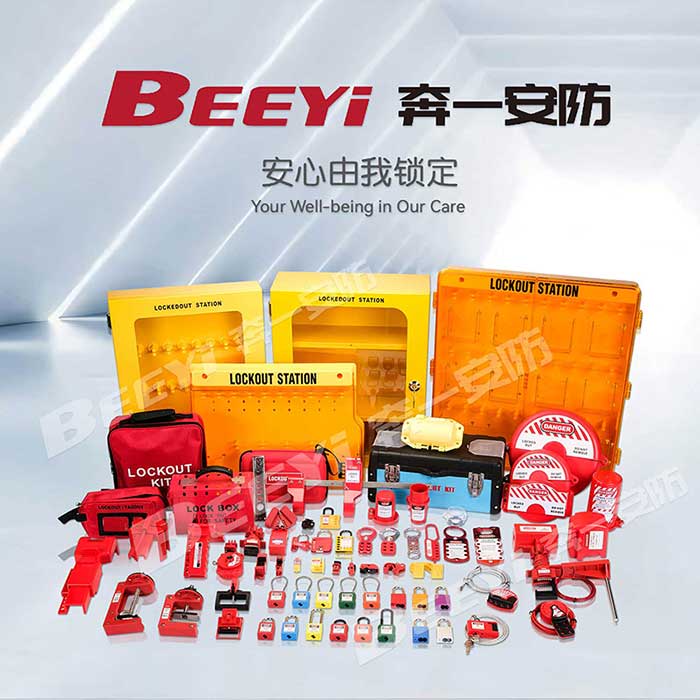
What is a Valve Lockout Device?
A valve lockout device is a safety mechanism designed to prevent the accidental opening or closing of a valve during maintenance or repair activities. It is often used in industries such as manufacturing, chemical processing, oil and gas, and utilities, where valves control the flow of dangerous substances like gas, liquid chemicals, steam, or electricity. The lockout device secures the valve in either an open or closed position, preventing unauthorized or accidental operation.
These devices are part of a broader category of safety systems known as "Lockout/Tagout" (LOTO), which refers to the practice of locking or tagging out machines or equipment to ensure that they are not accidentally operated while someone is working on them. The goal of lockout/tagout procedures is to protect workers from the unintended release of hazardous energy during maintenance or servicing.