iec 60947-2 certified lockout hasps: ensuring workplace safety in industrial environments
Release time:2025-12-05 07:36:18
In the realm of industrial safety, securing equipment during maintenance, repair, and servicing is crucial to prevent accidental activation that could harm workers or cause significant damage. IEC 60947-2 certified Lockout Hasps play a pivotal role in this safety protocol, ensuring that devices cannot be unintentionally energized when maintenance is taking place. This article explores the importance of these lockout hasps, their features, and how they contribute to creating a safer working environment in industrial settings.
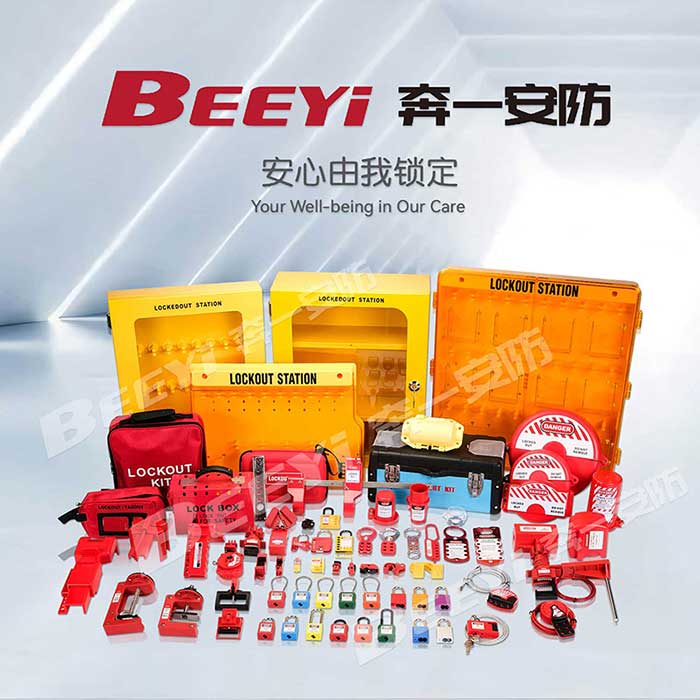
What Are Lockout Hasps?
A lockout hasp is a physical device used in the lockout/tagout (LOTO) procedure to prevent machinery or electrical circuits from being accidentally energized while workers perform maintenance or repairs. Typically, it is used in conjunction with a lock to physically prevent the operation of machinery or devices.
Lockout hasps come in various forms, but the essential function remains the same: to isolate energy sources and secure them in a safe state. When multiple workers are involved in maintenance, the lockout hasp allows each individual to place their own lock, ensuring no one can restart the equipment until all personnel have removed their locks.