importance of valve lockout devices in industrial safety
Release time:2025-12-05 18:02:31
In industrial settings, safety is paramount, especially when dealing with hazardous materials and complex machinery. One critical aspect of maintaining safety during maintenance or repair operations is the use of valve lockout devices. These devices play an essential role in protecting workers from accidental injuries caused by the inadvertent activation or deactivation of valves. This article will explore the importance, functionality, and types of valve lockout devices and explain how they contribute to the overall safety of industrial environments.
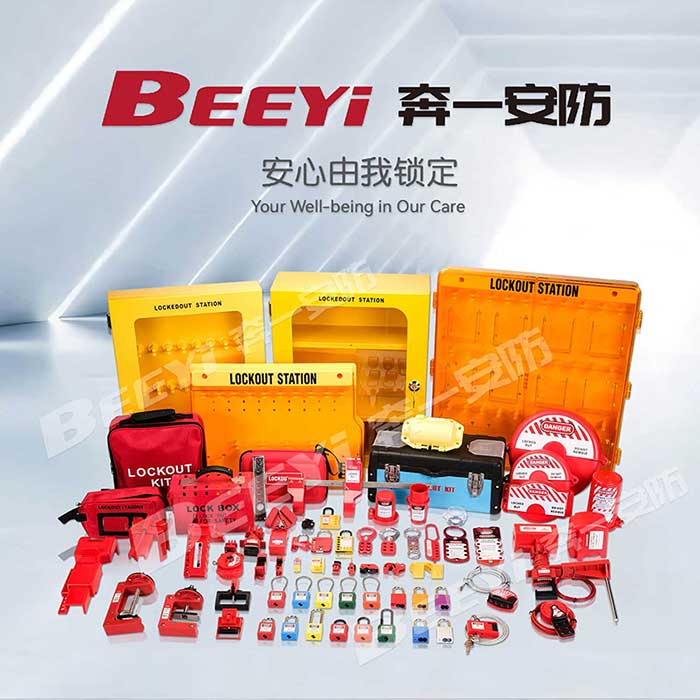
What is a Valve Lockout Device?
A valve lockout device is a mechanical safety device used to secure a valve in its open or closed position to prevent unauthorized or accidental operation. It is typically used during maintenance, repair, or inspection activities to ensure that the valve cannot be inadvertently operated while a worker is performing tasks on the system. These devices are a crucial component of the Lockout/Tagout (LOTO) safety protocol, which is designed to protect workers from hazardous energy releases.
Why Valve Lockout Devices Are Crucial for Safety
The primary function of a valve lockout device is to eliminate the risk of accidents or injuries that can arise from the accidental operation of a valve during maintenance work. For example, in industries dealing with dangerous substances like chemicals, petroleum, or natural gas, the unintentional release of these materials due to a mishandled valve can lead to explosions, fires, toxic exposure, or other catastrophic incidents.