understanding loto safety: a critical approach to workplace hazard prevention
Release time:2025-12-07 02:53:16
Lockout/Tagout (LOTO) Safety is a crucial workplace safety protocol designed to protect workers from the hazards associated with the unexpected release of hazardous energy during maintenance and repair activities. By implementing effective LOTO procedures, industries can prevent workplace injuries, ensure the safety of maintenance staff, and minimize the risks related to industrial equipment and machinery. This article explores the significance of LOTO Safety, its implementation, and the critical steps involved in maintaining a safe working environment.
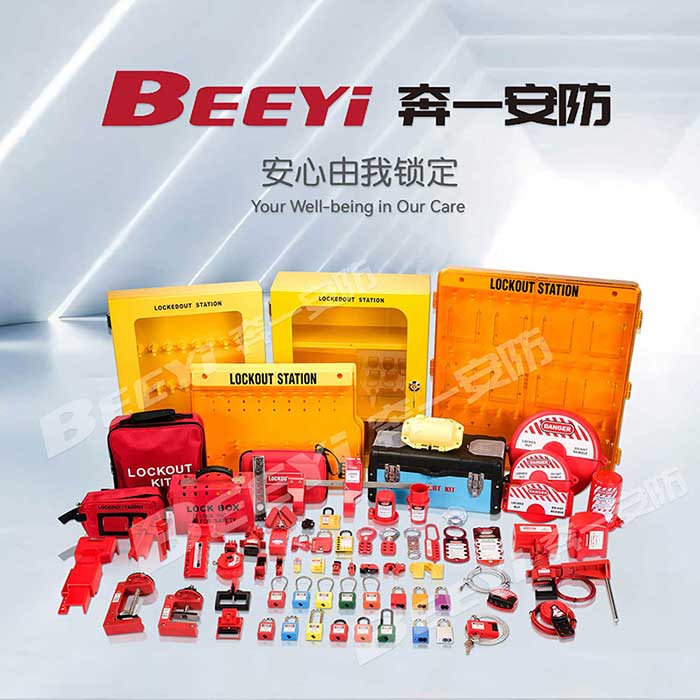
The Basics of LOTO Safety
LOTO stands for Lockout/Tagout, which refers to the practice of physically isolating and deactivating equipment and machinery to prevent accidental energy release during maintenance. Lockout involves using a physical lock to isolate the energy source, while Tagout involves attaching a visible tag that communicates to others that the equipment should not be operated.
The main goal of LOTO safety is to prevent unexpected startups or releases of stored energy while workers are servicing machinery. These incidents could potentially lead to fatal injuries, causing mechanical injuries, electrocution, or burns. For example, a worker may be performing maintenance on a conveyor belt, and without a proper lockout, a sudden activation could result in severe injury. LOTO safety prevents such risks by ensuring that equipment is completely de-energized and cannot be operated until maintenance is complete.