lockout safety: ensuring workplace safety through proper energy control
Release time:2025-12-07 03:23:56
Lockout safety, also known as Lockout/Tagout (LOTO), is a critical safety procedure that prevents the accidental release of hazardous energy during maintenance or repair work on machines and equipment. This safety practice is essential in protecting workers from serious injuries such as electrical shocks, burns, or mechanical accidents. Ensuring lockout safety is not only a legal obligation but also an ethical responsibility that guarantees a safe working environment for all personnel involved in high-risk operations.
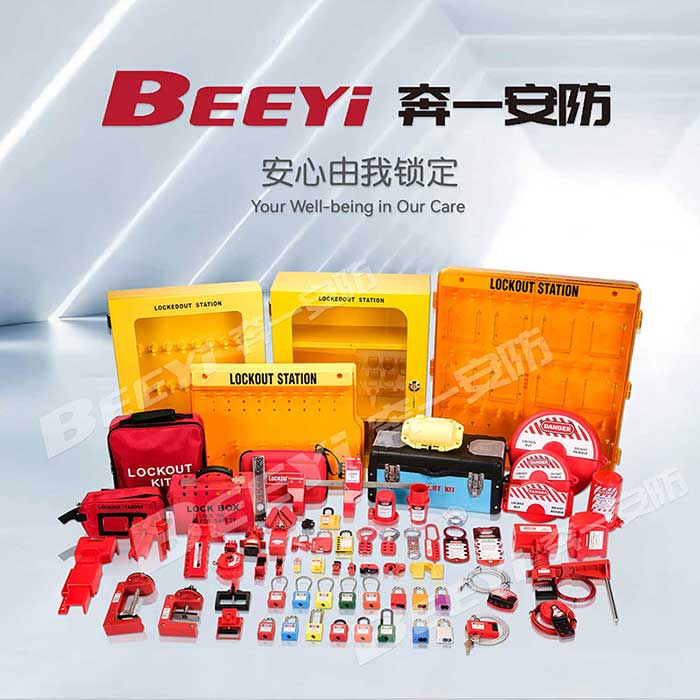
The Importance of Lockout Safety
In industries where machines and equipment are powered by various forms of energy, such as electricity, hydraulics, and mechanical forces, the potential for injury is ever-present. Workers performing maintenance or repairs on these systems often face exposure to live wires, pressurized systems, and moving parts. Without lockout safety procedures, these workers could unknowingly activate or come into contact with dangerous equipment, leading to fatal accidents.
Lockout safety protocols aim to eliminate this risk by ensuring that energy sources are properly isolated and that machinery cannot be inadvertently started while workers are servicing it. This is particularly important in environments such as factories, power plants, and construction sites, where heavy machinery and complex systems are regularly in use.