understanding the importance of loto padlock in workplace safety
Release time:2025-12-08 21:33:54
In today's industrial and commercial environments, ensuring the safety of workers is of paramount importance. One of the most effective methods to prevent workplace accidents, especially during maintenance or repair activities, is the implementation of a Lockout/Tagout (LOTO) system. A critical component of this system is the LOTO padlock, which serves as a physical barrier to prevent accidental machinery or equipment startup while maintenance work is being carried out. This article explores the significance of LOTO padlocks in enhancing workplace safety, the functionality of these devices, and the best practices for their usage.
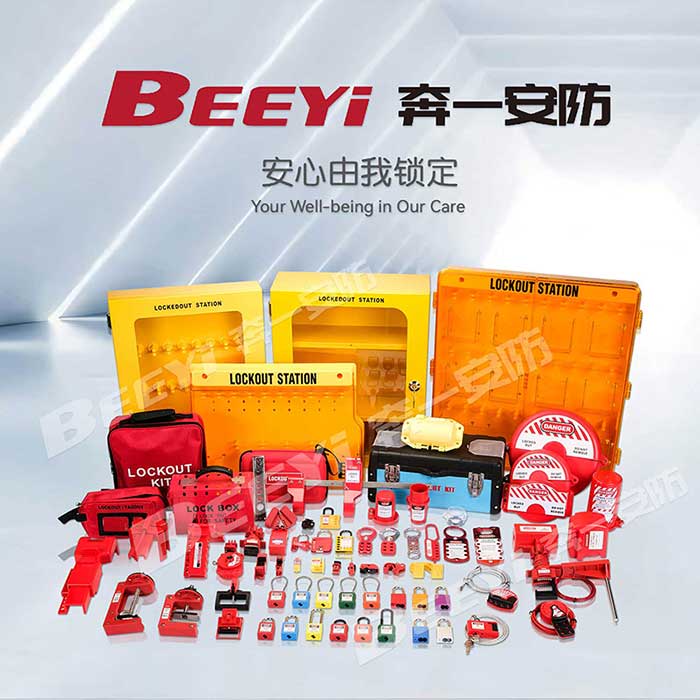
What is a Loto Padlock?
A LOTO padlock is a specialized lock used in a Lockout/Tagout (LOTO) system, primarily designed to isolate and secure machinery or equipment during maintenance activities. This system is essential for preventing the accidental release of hazardous energy, which can lead to serious injuries or even fatalities. The padlocks themselves are typically made of durable materials such as nylon or steel, and they are designed to be tamper-resistant, ensuring that only authorized personnel can unlock or remove them.
The primary purpose of a LOTO padlock is to keep equipment in a safe condition by physically locking it in place. These locks are placed on energy-isolating devices, such as circuit breakers, valve handles, or machine switches, to ensure that no one can operate the equipment while it is being serviced. Each lock has a unique key, meaning that only the person who applied the lock has access to remove it.