understanding lock out tag out (loto) and its importance in workplace safety
Release time:2025-12-09 17:29:32
Lockout/Tagout (LOTO) is a critical safety protocol used in industrial and manufacturing environments to prevent accidents during equipment maintenance and repair. This procedure ensures that machinery or equipment is properly shut down and isolated from its energy sources before work is performed, protecting workers from unexpected start-ups, energy releases, or equipment malfunctions that could cause serious injuries. In this article, we will explore what Lockout/Tagout is, why it is important, and how to implement it effectively.
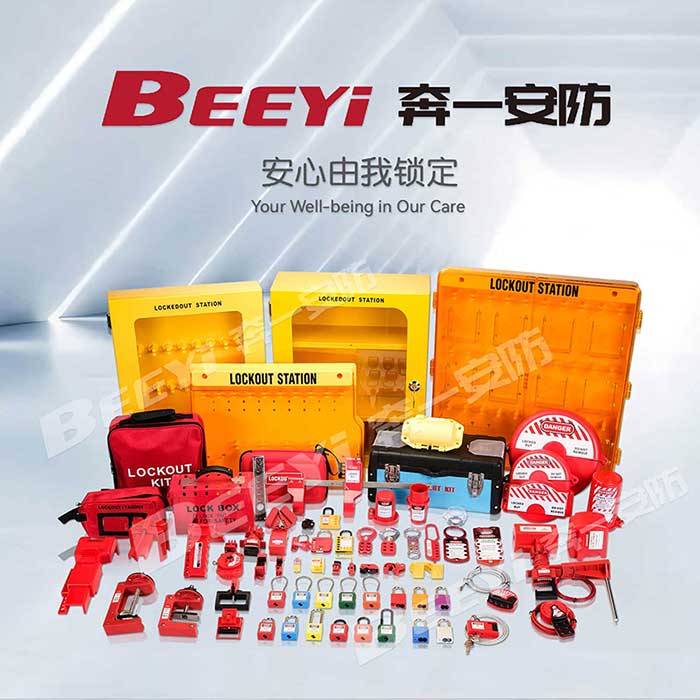
What is Lockout/Tagout?
Lockout/Tagout refers to the process of locking out equipment or machinery’s energy sources and tagging it to indicate that the equipment is being serviced. The term "Lockout" refers to physically locking the energy-isolating devices, such as switches or valves, to prevent the release of hazardous energy. "Tagout" involves placing a warning tag on the equipment, indicating that maintenance is being performed and cautioning others not to operate it.
LOTO is a requirement under various occupational safety standards, including those set by the Occupational Safety and Health Administration (OSHA) in the United States. These standards mandate that employers establish and enforce lockout/tagout procedures to safeguard workers from energy-related injuries.