understanding lockout safety: a crucial component of workplace safety
Release time:2025-12-25 21:03:05
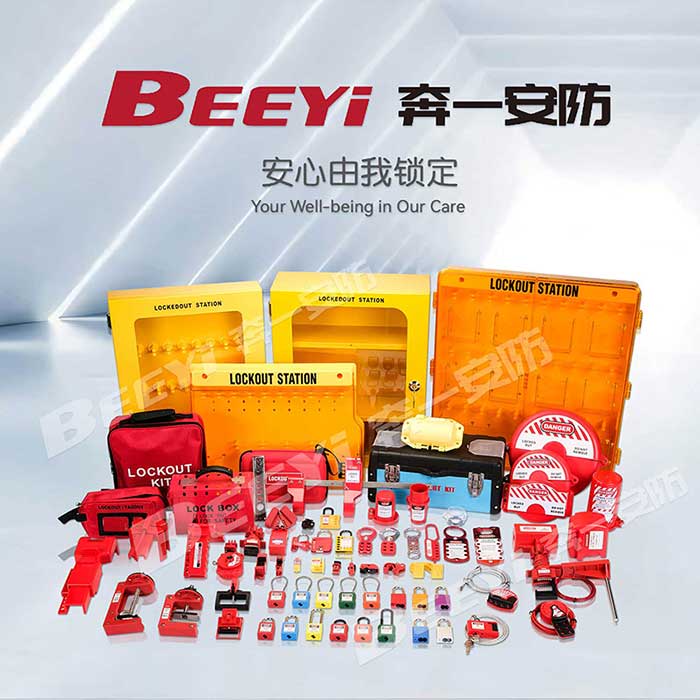
Lockout safety is a critical practice in the realm of occupational safety and health, aimed at preventing the accidental startup of machinery and the release of hazardous energies during maintenance and servicing activities. The Lockout/Tagout (LOTO) procedure is the cornerstone of this practice, providing a systematic approach to ensure that employees remain safe while working on potentially dangerous machines. This article will delve into the importance of lockout safety, its essential components, the steps involved in implementing effective LOTO procedures, and the broader implications for workplace safety culture.
The Importance of Lockout Safety
Each year, thousands of workers are injured or killed due to incidents caused by the unexpected release of energy, such as electricity, hydraulic pressure, or thermal energy. Lockout safety serves as a preventive measure against these accidents, thereby safeguarding employees’ lives and well-being. According to the Occupational Safety and Health Administration (OSHA), proper LOTO procedures could prevent accidentally energized machinery from causing severe injuries or fatalities. In addition to protecting workers, adherence to lockout safety protocols is crucial for organizations to comply with legal standards and avoid hefty fines associated with workplace safety violations.