the importance of padlock for loto in workplace safety
Release time:2025-12-26 14:23:00
Lockout/Tagout (LOTO) procedures are essential in any industrial or manufacturing environment where hazardous energy sources are present. One of the most crucial components of a successful LOTO program is the padlock for LOTO, which plays a pivotal role in ensuring worker safety during maintenance and servicing operations. This article will explore the significance of LOTO procedures, the role of padlocks in these procedures, and why their use is vital to preventing workplace accidents.
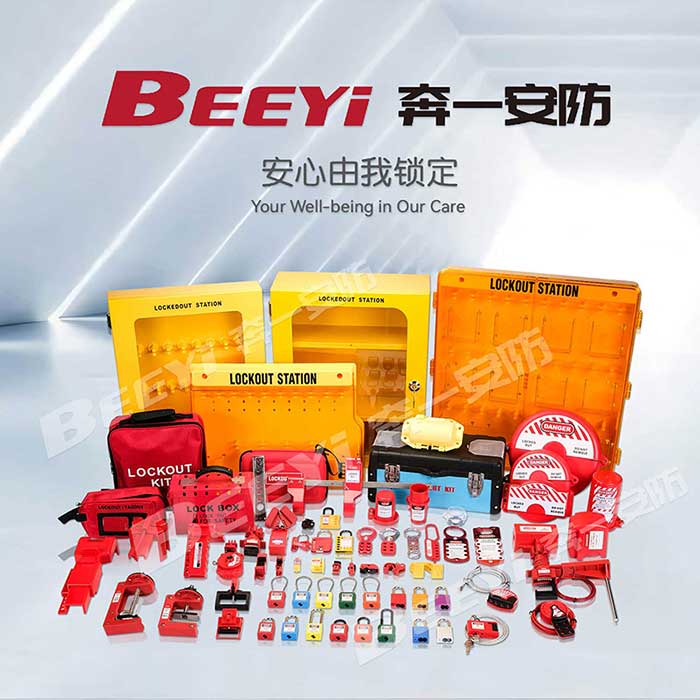
Understanding LOTO and Its Importance
LOTO stands for Lockout/Tagout, a safety protocol used in workplaces to protect employees from the accidental release of hazardous energy while they are working on machinery or equipment. Hazardous energy sources can include electrical, mechanical, hydraulic, pneumatic, chemical, thermal, or other types of energy that, if unexpectedly released, could cause injury or even death. The LOTO procedure involves isolating these energy sources by locking and tagging equipment to prevent it from being accidentally activated during maintenance or repair.
In this context, the padlock for LOTO serves as one of the most critical tools in the LOTO system. These padlocks are used to physically lock out energy-isolating devices to prevent them from being turned on or off during maintenance. By ensuring that only authorized personnel can remove the lock, the padlock helps eliminate the risk of accidental startup of machinery, thus preventing injuries.