understanding safety lockout tagout: a key to workplace safety
Release time:2025-12-26 21:24:08
In industrial and manufacturing environments, where the operation of heavy machinery and complex equipment is routine, safety is of utmost importance. One crucial element in ensuring the safety of workers during maintenance and servicing operations is the Lockout/Tagout (LOTO) procedure. This safety protocol aims to prevent the accidental energization of machinery, protecting workers from potential injuries that could arise from unexpected machine startup or the release of hazardous energy sources. This article will delve into the significance of safety lockout tagout, the steps involved in implementing it, and its benefits in a workplace setting.
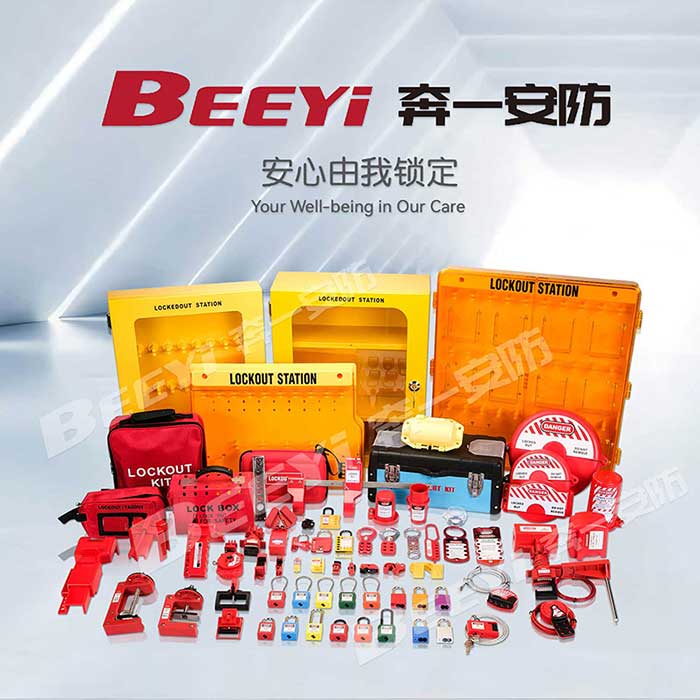
What is Safety Lockout Tagout?
Safety Lockout Tagout refers to the strategy used to control hazardous energy during maintenance and repair work on machines and equipment. The primary goal of LOTO is to ensure that machinery cannot be started up unexpectedly before maintenance or service work is completed. This is achieved by isolating energy sources and effectively locking out equipment with physical locks, along with tagging it to provide warning and information to other workers.
The Importance of LOTO Procedures
The significance of Lockout/Tagout procedures cannot be overstated. According to the Occupational Safety and Health Administration (OSHA), machines are responsible for a substantial number of workplace injuries each year, many of which can be prevented through proper implementation of LOTO. Here are some of the reasons why LOTO is essential: