the importance of loto padlock in industrial safety and compliance
Release time:2025-12-26 22:26:39
In the world of industrial and manufacturing environments, worker safety is a top priority. One of the most effective and widely implemented safety practices is the Lockout/Tagout (LOTO) procedure, which involves the use of specialized safety devices like LOTO padlocks to prevent accidental machinery startups during maintenance or servicing. These locks play a critical role in ensuring the safety of employees working with hazardous equipment. In this article, we will discuss the significance of LOTO padlocks, their role in workplace safety, and the regulations surrounding their use.
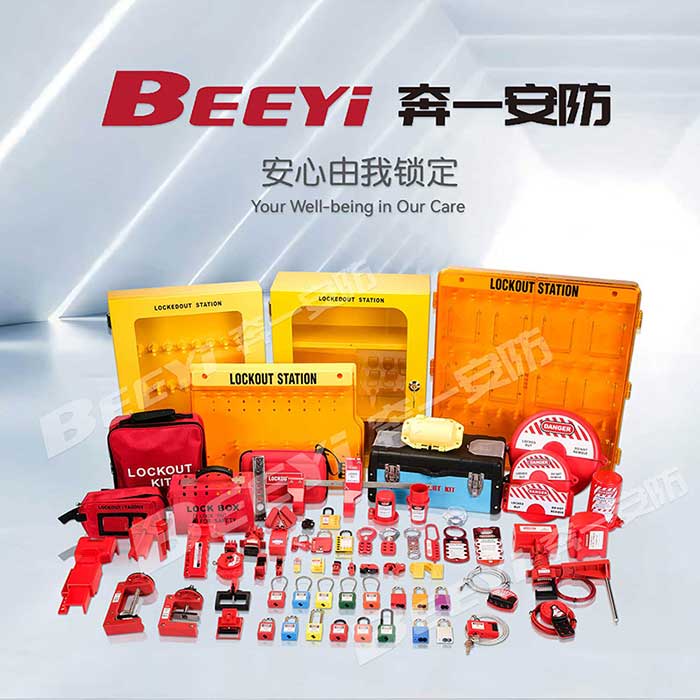
What is a LOTO Padlock?
A LOTO padlock is a safety lock used in Lockout/Tagout procedures to physically secure energy sources (such as electrical, hydraulic, pneumatic, or mechanical) on machinery or equipment. The primary purpose of the LOTO padlock is to prevent the unexpected release of hazardous energy while workers are performing maintenance, repairs, or servicing tasks. These locks are specifically designed to be durable, tamper-proof, and easily identifiable, ensuring that only authorized personnel can remove the lock when it's safe to do so.
LOTO padlocks come in various shapes, sizes, and materials, but they all share one common characteristic: they are used to ensure the safety of workers by preventing machines from being accidentally activated during maintenance. The locks are typically used in conjunction with LOTO tags, which communicate the reason for the lockout and the identity of the responsible person.