understanding iec 60947-2 certified lockout hasps: ensuring electrical safety in industrial settings
Release time:2025-12-29 12:13:11
In industrial environments, safety is paramount, especially when dealing with electrical equipment. One of the most effective ways to ensure the safety of maintenance personnel is through lockout/tagout (LOTO) procedures. These procedures are designed to prevent the unexpected release of hazardous energy while maintenance or repair activities are being performed on electrical equipment. A key component of these procedures is the Lockout Hasps, which are essential safety tools. When these lockout hasps are IEC 60947-2 certified, they meet stringent international safety standards, offering enhanced protection for workers.
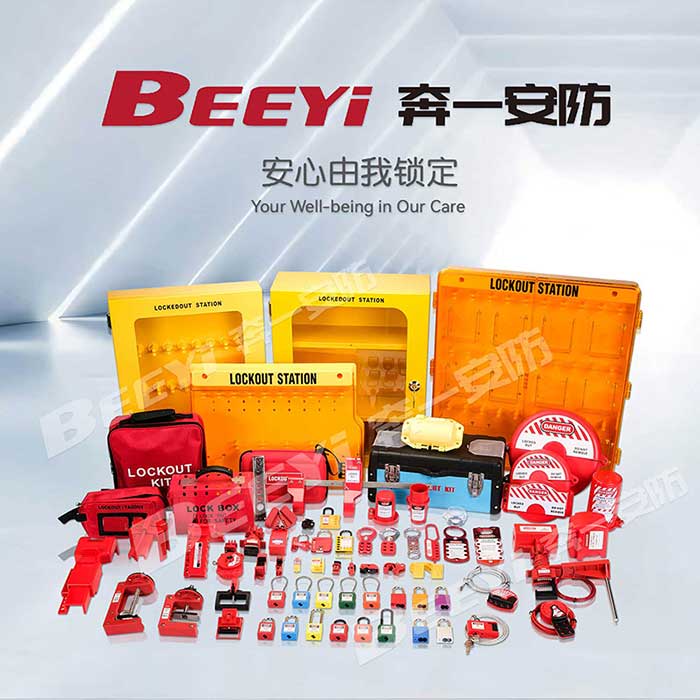
What are Lockout Hasps?
Lockout Hasps are mechanical devices that allow maintenance personnel to lock out electrical switches, circuit breakers, or other devices that control hazardous energy sources. These hasps are used to ensure that power cannot be turned back on while maintenance activities are being performed. The lockout hasps typically feature a number of lock holes, enabling multiple workers to place their own locks on a single piece of equipment, ensuring that the equipment cannot be re-energized until all the locks are removed.
IEC 60947-2 Standard: What Does It Mean?
The IEC 60947-2 standard is set by the International Electrotechnical Commission (IEC) and deals with the requirements for low-voltage switchgear and controlgear, including electrical disconnectors, circuit breakers, and switchboards. This standard aims to ensure the safe operation, installation, and maintenance of electrical equipment to minimize the risk of accidents.