understanding the importance of safety valve lock in industrial safety
Release time:2026-01-03 05:08:58
In industrial settings, safety is paramount. The presence of high-pressure systems, hazardous fluids, and volatile gases means that any failure in the safety protocols can lead to catastrophic consequences. One of the crucial safety mechanisms used to prevent accidents in such environments is the Safety Valve Lock. This simple yet effective device plays a key role in ensuring that valves controlling pressurized systems are not tampered with or accidentally activated. In this article, we will explore what a safety valve lock is, its importance, and its application across various industries.
What is a Safety Valve Lock?
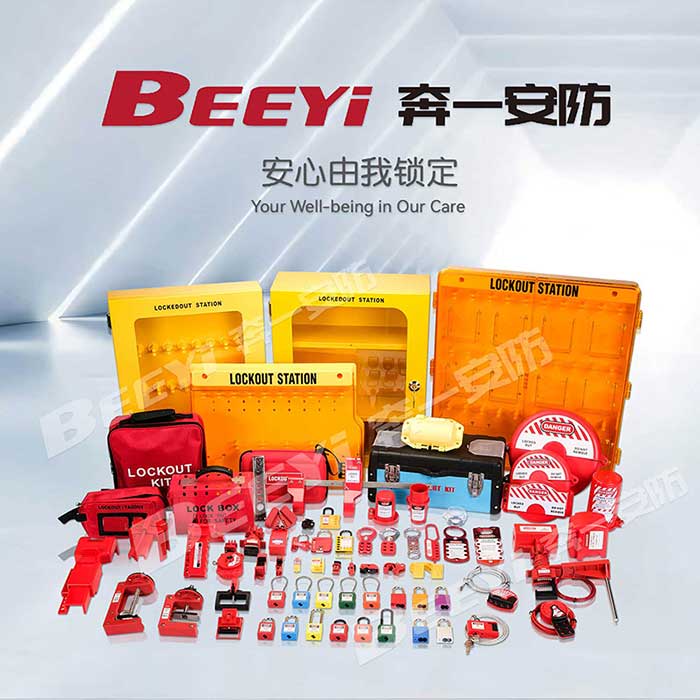
A Safety Valve Lock is a lockout device used to secure valves, preventing them from being operated unintentionally or without authorization. These locks are commonly used in industrial facilities, particularly those dealing with hazardous materials, pressurized systems, or critical machinery. The primary purpose of a safety valve lock is to prevent the accidental release of pressure or fluid, which could endanger workers or disrupt operations.
These locks are typically designed to fit over the handle or the valve itself, ensuring that the valve cannot be opened until the lock is removed. Some safety valve locks are equipped with a padlock mechanism, while others may use a specialized locking system designed for specific types of valves. Regardless of the design, the goal remains the same: to keep the valve secure and prevent unauthorized or accidental operation.