understanding the importance of loto locks in workplace safety
Release time:2026-01-05 11:02:07
In various industries, maintaining a safe work environment is of paramount importance. One crucial element in ensuring safety is the implementation of Lockout/Tagout (LOTO) procedures, which includes the use of LOTO locks. LOTO locks are vital tools designed to prevent the accidental startup of machinery and equipment during maintenance, repair, or servicing activities. This article delves into the significance of LOTO locks, how they function, and their role in promoting workplace safety.
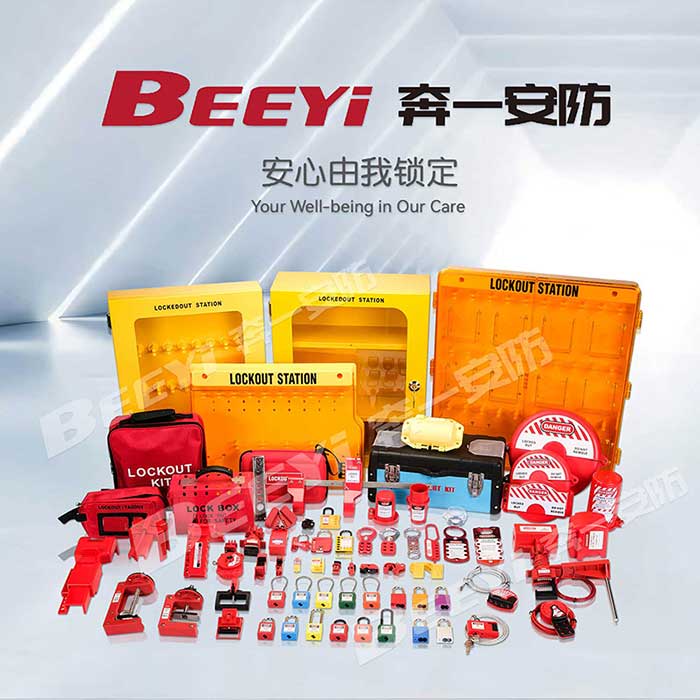
What is LOTO?
Lockout/Tagout refers to specific practices and procedures that are established to ensure that machinery is properly shut down and unable to be started up again before maintenance or servicing is completed. The LOTO standard is primarily guided by regulations set forth by the Occupational Safety and Health Administration (OSHA) in the United States, which outlines requirements for controlling hazardous energy during maintenance tasks.
The Role of LOTO Locks
At the heart of the LOTO system are LOTO locks, which serve as physical barriers that prevent the inadvertent operation of machine controls. These locks can come in various forms, including padlocks, hasps, and lock boxes, each serving a vital function in the lockout process. By securing the energy isolation device of a machine—such as circuit breakers, switches, or valves—LOTO locks safeguard workers from unintended energy release while they perform their duties.