understanding the importance of lock out tag out (loto) in industrial safety
Release time:2026-01-05 20:21:01
Lock Out Tag Out (LOTO) is a critical safety procedure designed to protect workers from the accidental release of hazardous energy during the maintenance, repair, or service of machinery and equipment. It ensures that machines are properly de-energized and cannot be accidentally started while being serviced. LOTO procedures are essential in preventing workplace injuries and fatalities, especially in industries such as manufacturing, construction, and utilities. This article will explore the importance of LOTO, its basic principles, and how it can be effectively implemented to improve workplace safety.
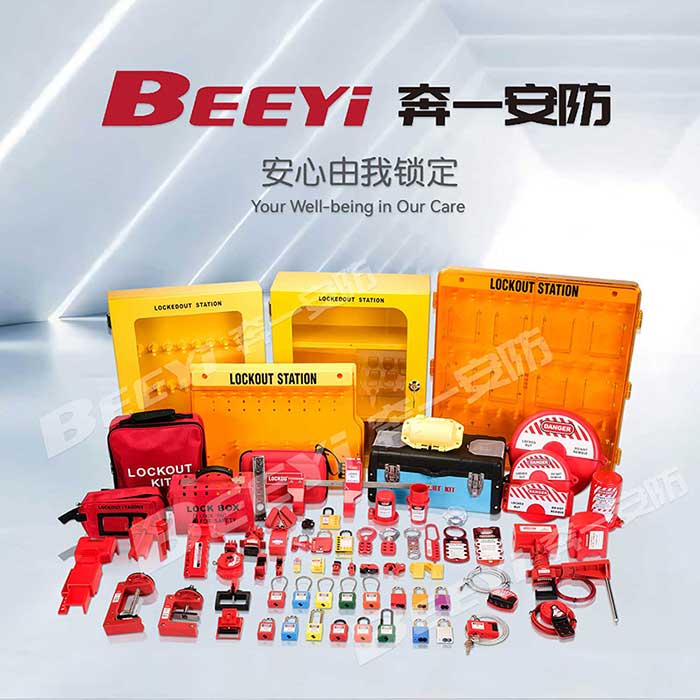
What is Lock Out Tag Out?
At its core, Lock Out Tag Out (LOTO) involves two key components: lockout and tagout. Lockout refers to the use of a physical lock or device to prevent the operation of machinery, while tagout involves placing a safety tag on the machinery that indicates it is not to be used. Together, these procedures ensure that equipment is fully isolated from its energy sources, preventing unexpected start-ups or releases of stored energy that could harm workers.
The primary aim of LOTO is to safeguard workers who perform maintenance, repair, or inspection tasks on equipment that could pose a risk if activated while they are working. These tasks might include cleaning, replacing parts, or adjusting settings on machinery. By following LOTO procedures, employers can significantly reduce the risk of accidents caused by the unintentional release of hazardous energy.