understanding lockout tagout padlocks: a crucial safety measure in the workplace
Release time:2026-01-08 01:42:50
In industrial and manufacturing environments, ensuring the safety of workers is of paramount importance. One of the essential practices to prevent workplace accidents during maintenance operations is the Lockout Tagout (LOTO) procedure. A fundamental component of this procedure is the use of lockout tagout padlocks. These padlocks play a crucial role in securing machines and equipment to prevent accidental startup or release of hazardous energy while maintenance or service work is conducted. This article delves into the significance, types, and the proper usage of lockout tagout padlocks.
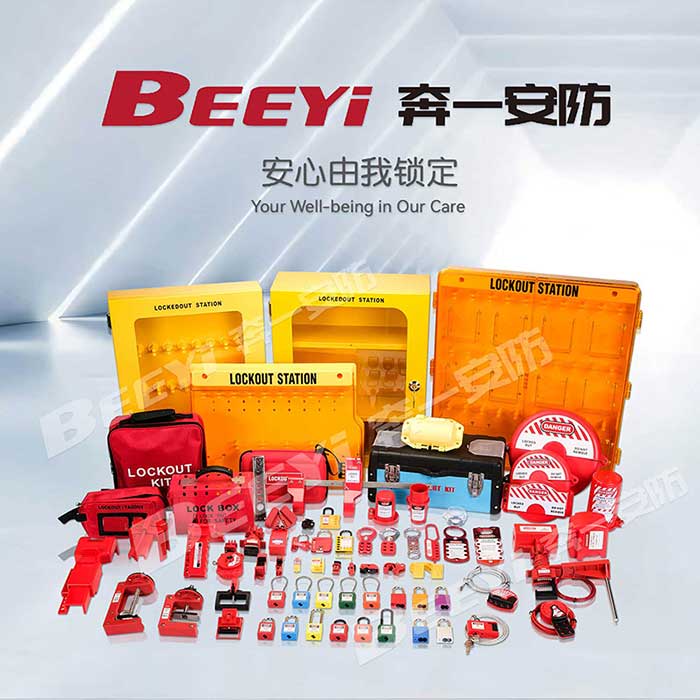
The Importance of Lockout Tagout
Lockout Tagout is a standardized safety procedure designed to safeguard workers from hazardous energy releases during machine maintenance or repair work. Blocked energy sources can include electrical, mechanical, hydraulic, pneumatic, chemical, and thermal forms of energy. The primary objective of LOTO is to eliminate the risk of accidental energization or start-up of equipment, which can lead to severe injuries or fatalities.
According to data from the Occupational Safety and Health Administration (OSHA), “Lockout/Tagout procedures were responsible for protecting thousands of workers from hazardous energy release.” Failure to implement these safety measures can result in devastating consequences, not only for the affected workers but also for their coworkers and the organization itself.