understanding lock out padlocks: a key safety tool in hazardous work environments
Release time:2026-01-10 05:31:27
In various industrial settings, the safety of workers is paramount. One of the essential tools employed to ensure that safety is maintained during maintenance and repair activities is the lock out padlock. These specialized padlocks serve a crucial function in the lockout/tagout (LOTO) procedure, which is designed to prevent the unexpected energization or startup of machines and equipment. This article delves into the significance, features, and best practices surrounding lock out padlocks, emphasizing their critical role in workplace safety.
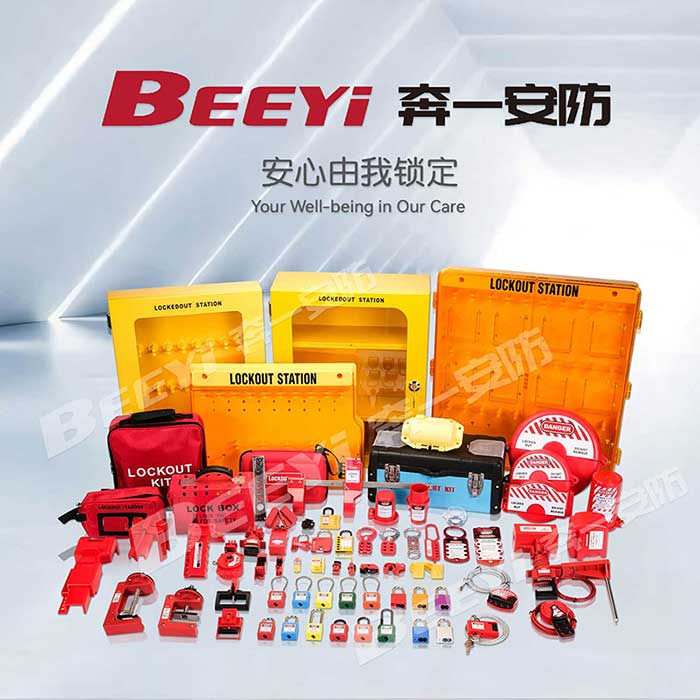
What are Lock Out Padlocks?
Lock out padlocks are brightly colored, uniquely keyed locks used to secure energy-isolating devices such as circuit breakers, valves, and energy sources during maintenance operations. The purpose of these padlocks is to ensure that equipment cannot be inadvertently turned on while maintenance workers are present. They are part of a broader lockout/tagout system, which involves placing locks and tags on energy sources to communicate to others that the machinery is not to be operated.
Importance of Lock Out Padlocks
The primary aim of lock out padlocks is to safeguard workers during maintenance tasks. According to data from the Occupational Safety and Health Administration (OSHA), incidents related to unexpected machine startup are among the leading causes of workplace injuries and fatalities. By using lock out padlocks as part of the LOTO procedure, businesses can significantly reduce the risk of these accidents.