understanding the importance of lockout hasps in workplace safety
Release time:2026-01-23 18:19:29
In industrial environments, ensuring the safety of employees during maintenance and repair operations is paramount. One of the most effective tools in achieving this goal is the lockout hasp. Lockout hasps are devices that play a crucial role in lockout/tagout (LOTO) procedures, which are designed to prevent the accidental energization or startup of machines and equipment during maintenance activities. This article delves into the significance, features, types, and best practices associated with lockout hasps, highlighting their essential role in safeguarding workplace safety.
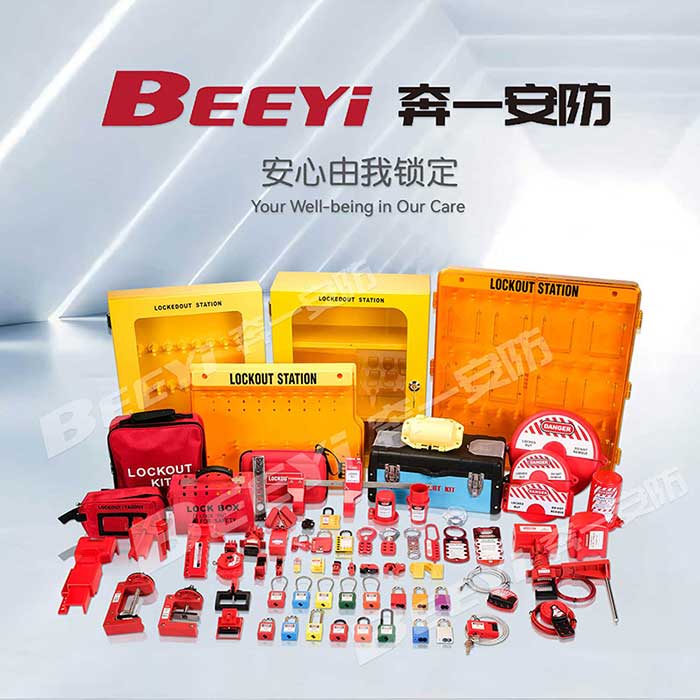
The Purpose of Lockout Hasps
Lockout hasps serve as a physical barrier to protect employees from the dangers posed by energized equipment. When maintenance personnel are required to service machinery, they must first ensure that the equipment is completely shut down and isolated from any energy sources. Lockout hasps allow workers to secure the machinery in a locked state, effectively preventing unauthorized personnel from turning it back on inadvertently. This not only protects the maintenance workers but also provides reassurance to management that safety protocols are being followed.