understanding the importance of loto device in workplace safety
Release time:2026-01-24 19:00:37
In today’s fast-paced industrial environment, ensuring workplace safety is of utmost importance. One method that has proven effective in preventing workplace accidents—especially during maintenance or servicing operations—is the Lockout/Tagout (LOTO) device. The LOTO procedure is more than just a regulatory obligation; it is a crucial practice that protects employees from hazardous energy sources during the servicing or maintenance of machines and equipment. This article aims to explore the significance of LOTO devices, their components, and best practices for implementation.
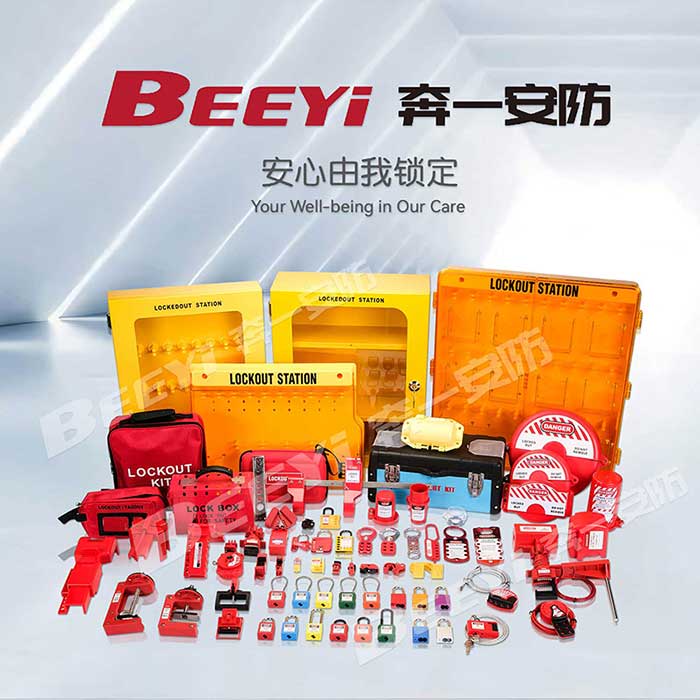
What is a Loto Device?
A LOTO device is a safety mechanism used in workplaces to secure the energy sources of machinery and equipment. The term "Lockout" refers to the physical locking of energy-isolating devices to prevent the operation of the equipment, while "Tagout" involves placing a tag on the energy-isolating devices to inform workers that maintenance or servicing is in progress. The main goal of LOTO procedures is to eliminate the risk of accidental machine start-up that can cause severe injuries or fatalities.
Components of a Loto Device
LOTO devices typically consist of two key components: lockout devices and tagout devices.