understanding safety padlocks: the key to workplace safety
Release time:2026-03-02 10:58:31
In today's fast-paced industrial environment, ensuring the safety of workers is paramount. Among the various safety tools and practices employed, the safety padlock stands out as a critical component in the lockout/tagout (LOTO) procedure. The safety padlock serves not only as a physical barrier to prevent the accidental operation of machinery but also as a symbol of commitment to workplace safety. This article will explore the importance, features, applications, and best practices associated with safety padlocks.
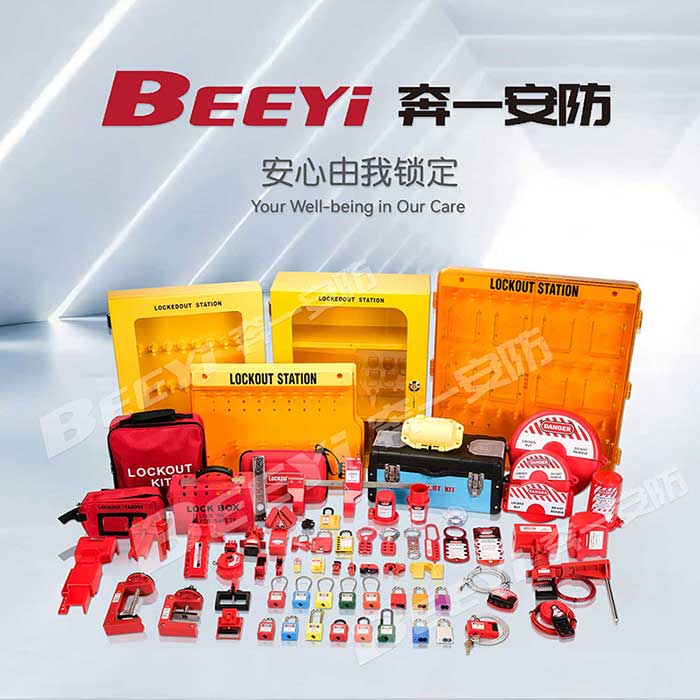
The Importance of Safety Padlocks
Accidents in workplaces often stem from the unexpected energization or startup of machinery during maintenance and repair. According to statistics from safety organizations, thousands of injuries occur annually due to failure to properly lock out dangerous equipment. A safety padlock is designed to mitigate these risks by securely locking the energy source of machinery, thus protecting maintenance workers from potential hazards.
Implementing safety padlocks as part of the lockout/tagout procedure is not only a regulatory requirement in many industries but also a best practice that fosters a culture of safety. By necessitating that equipment be locked and tagged out before servicing, companies can significantly reduce the likelihood of accidents and injuries.