the importance of safety lockout padlocks in industrial settings
Release time:2026-03-03 08:50:10
In industrial environments, ensuring the safety of workers is paramount. One effective method of safeguarding personnel during maintenance and repair tasks is the implementation of safety lockout padlocks. These specialized locks are designed specifically to prevent the accidental startup of machinery and equipment, offering a reliable solution for workplace safety. This article will delve into the various aspects of safety lockout padlocks, including their functions, types, relevant regulations, and the critical role they play in enhancing workplace safety.
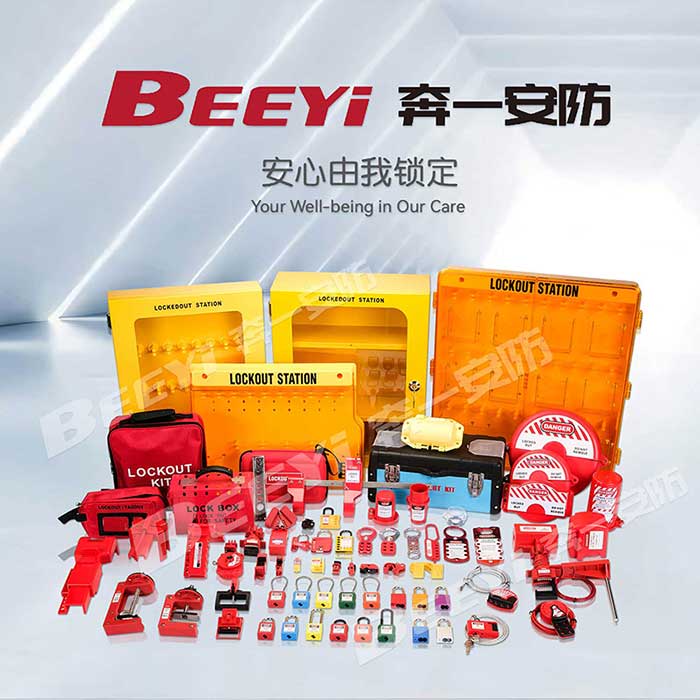
Safety lockout padlocks serve a crucial function within the broader context of lockout/tagout procedures. These procedures are designed to protect workers from the unexpected release of hazardous energy, which can occur when equipment is inadvertently turned on during maintenance. By using safety lockout padlocks, workers can physically secure machines or energy sources, ensuring that only authorized personnel have the ability to unlock these devices. This not only prevents accidents but also fosters a culture of safety within organizations.
There are several types of safety lockout padlocks available, each tailored for specific needs and environments. Most commonly, these locks are constructed from durable materials such as aluminum, plastic, or stainless steel. These materials are chosen for their resistance to corrosion and wear, making them suitable for both indoor and outdoor use. Additionally, safety lockout padlocks come in various colors and sizes to enhance visibility, with standard hues like red and yellow often denoting danger or caution. By categorizing locks by color, facilities can quickly communicate the status of equipment and any potential hazards present.