understanding lock out padlocks: essential tools for workplace safety
Release time:2026-03-03 15:30:57
In any industrial setting, safety should always be the top priority. One of the most important safety procedures used to protect workers from hazardous equipment is the lockout/tagout (LOTO) procedure. This system ensures that machines and equipment are properly shut down and cannot be accidentally started up during maintenance or repair work. At the heart of this system lies the lockout padlock, a small but powerful tool that plays a critical role in preventing workplace accidents.
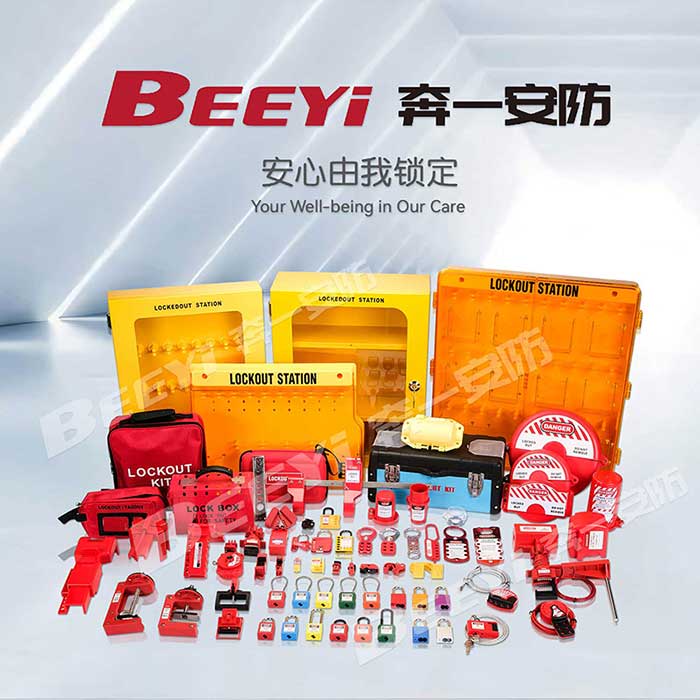
What Are Lock Out Padlocks?
Lockout padlocks are specialized locks designed to secure energy-isolating devices, such as circuit breakers, valves, and switches, in the “off” position. By using these locks, workers can prevent machines from being powered on while maintenance or servicing is taking place. This ensures that individuals working on the equipment will not be exposed to dangerous energy sources like electricity, steam, or compressed air, reducing the risk of injury or death from accidental machine startups.
Lockout padlocks come in various types, each designed for different environments and specific safety needs. They are often made of durable materials, such as plastic, nylon, or steel, and come in bright colors like red, yellow, or orange, making them highly visible. These colors are crucial for increasing safety awareness in industrial settings, as they serve as a clear visual reminder that equipment is in a locked-out state and should not be tampered with.