understanding loto padlock: ensuring safety in industrial environments
Release time:2026-03-04 15:47:06
The workplace, particularly in industrial settings, is fraught with hazards that can pose serious risks to employee safety. One crucial mechanism to ensure worker protection during maintenance and servicing of machinery is the implementation of Lockout-Tagout (LOTO) procedures. Central to these procedures is the LOTO padlock, a specialized lock designed to prevent unauthorized access to machinery and equipment. This article explores the significance of LOTO padlocks, their features, benefits, and best practices for use, underscoring their essential role in maintaining workplace safety.
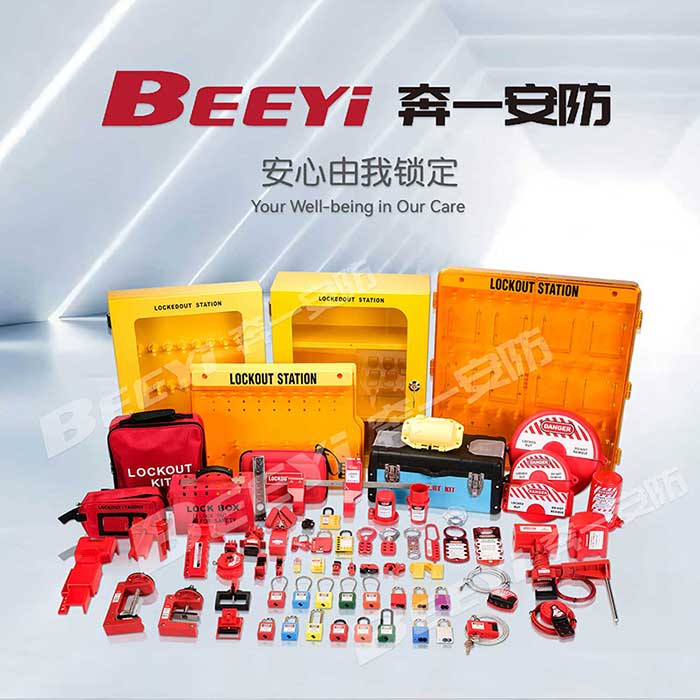
What is a LOTO Padlock?
A LOTO padlock is a lock used in industrial settings as part of the LOTO safety protocol. This protocol mandates that machinery must be shut down and locked out to prevent accidental startup during maintenance and repair work. The padlock serves as a physical barrier that ensures only authorized personnel can access the machinery, effectively minimizing the risk of accidents and injuries.
Typically made from durable materials to withstand rigorous industrial environments, LOTO padlocks come in various sizes and styles. Bright colors, often red or yellow, are used to enhance visibility and alert others to the presence of the lock. Each lock is usually accompanied by a tag that contains important information, such as the name of the person performing maintenance, the date of the lockout, and often a contact number in case of emergencies.