understanding lockout tagout equipment and its importance in workplace safety
Release time:2026-03-04 16:12:30
Lockout-Tagout (LOTO) equipment is an essential component of workplace safety procedures, designed to protect workers from hazardous energy during the maintenance or servicing of machinery. The Lockout-Tagout standard, implemented by the Occupational Safety and Health Administration (OSHA), aims to reduce the risk of workplace injuries by ensuring that equipment and machinery are properly shut down and cannot be accidentally restarted during repair work. This article explores the importance of Lockout-Tagout equipment and how it contributes to creating a safer working environment.
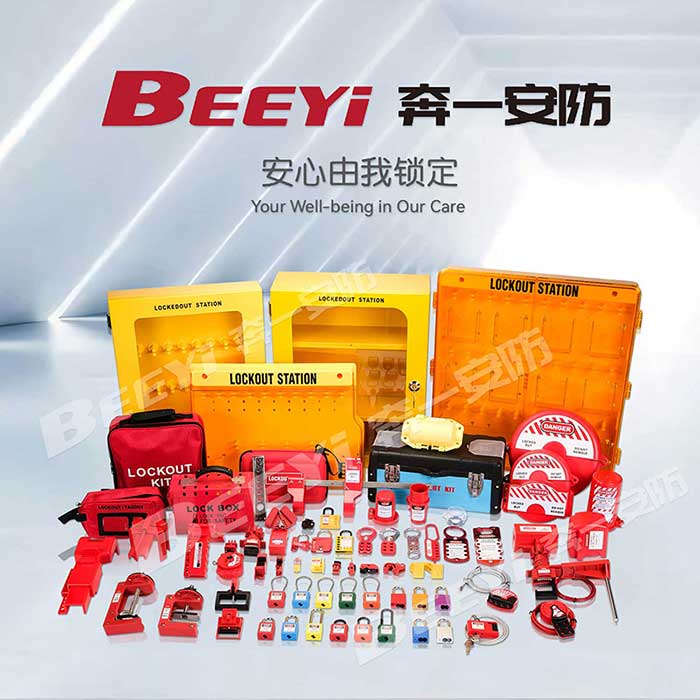
What is Lockout-Tagout Equipment?
Lockout-Tagout equipment consists of devices and tools used to isolate hazardous energy sources, prevent equipment from being inadvertently activated, and alert workers that maintenance is in progress. The core of the Lockout-Tagout procedure involves two main components:
Lockout Devices: These are physical devices used to secure energy isolation points (e.g., electrical circuit breakers, valves, or mechanical switches) in a safe position, preventing them from being activated while maintenance is taking place. Typically, lockout devices include locks, padlocks, and lockout hasps. The key to the lock is usually kept by the authorized worker performing the maintenance.