lock out equipment: ensuring workplace safety through effective lockout/tagout procedures
Release time:2026-03-05 07:44:58
Lockout equipment is an essential part of workplace safety, especially in industries where employees work with hazardous machinery, electrical systems, or heavy equipment. The process of locking out equipment is designed to prevent accidents during maintenance, repairs, and other activities that may involve interacting with potentially dangerous machines. Through the implementation of lockout/tagout (LOTO) procedures, organizations ensure the protection of workers from injuries related to unexpected equipment startup or energy release.
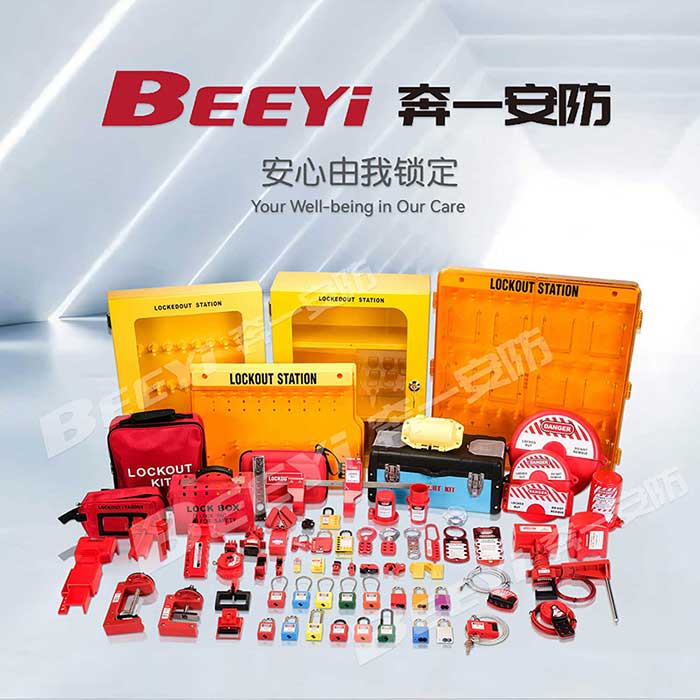
What is Lockout Equipment?
Lockout equipment refers to devices used to secure machinery, electrical panels, or other hazardous equipment in a de-energized or isolated state. This is done to ensure that the equipment cannot be accidentally activated or operated while maintenance or repairs are being performed. Lockout devices include padlocks, valve lockouts, and lockout tags, which are applied to the control points of the machinery. By physically isolating the energy sources, lockout equipment prevents workers from being exposed to dangerous situations such as electrocution, mechanical failure, or uncontrolled movement of parts.