understanding valve lockout devices: an essential safety tool in industrial settings
Release time:2026-03-05 13:20:16
In industrial environments, safety is paramount. One of the critical measures to ensure workplace safety during maintenance or repair tasks is the implementation of lockout/tagout procedures. Among these procedures, the valve lockout device stands out as an essential safety tool. It serves to prevent the unexpected operation of valves, which can lead to hazardous situations, injuries, or even fatalities. This article aims to provide an in-depth understanding of valve lockout devices, their types, uses, benefits, and best practices for implementation.
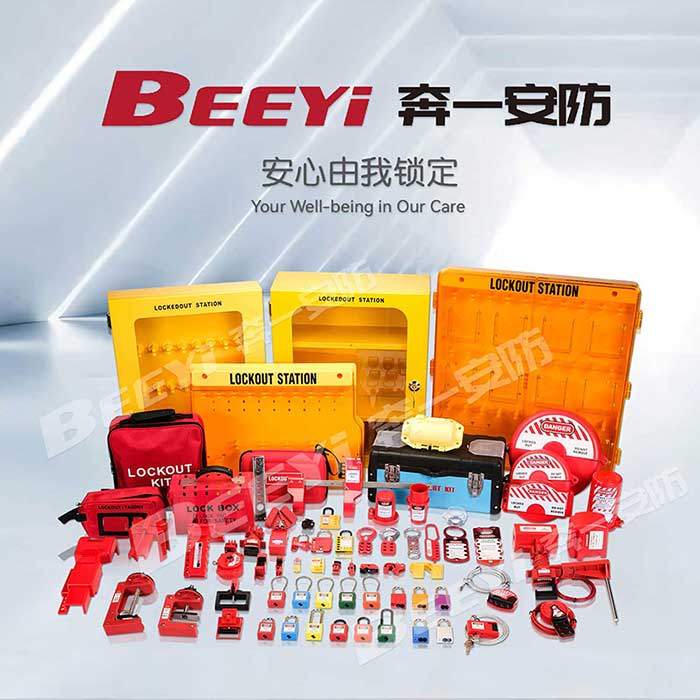
Valve lockout devices are specialized instruments designed to prevent the operation of valves during maintenance, repairs, or servicing activities. These devices help to secure valves in a closed or open position, ensuring that they cannot be manipulated unless the lock is removed by an authorized personnel. This is especially important in facilities where substances such as chemicals, gases, or steam are transported or stored, as unintended valve operation can lead to dangerous leaks or explosions.
Types of Valve Lockout Devices
Valve lockout devices come in various designs, each tailored to accommodate specific types of valves and operational needs. The most common types of valve lockout devices include: