the essential role of pneumatic lockouts application in industrial safety
Release time:2026-03-05 18:18:30
Pneumatic systems are crucial in many industrial settings, powering machinery and controlling automated processes. However, with great power comes great responsibility, and safety must always be a top priority. One of the most effective safety measures in place to safeguard workers during maintenance or repair activities is the application of Pneumatic Lockouts. These devices are specifically designed to prevent the accidental activation of pneumatic equipment during servicing, reducing the risk of injuries and ensuring that workers can perform their tasks in a safe environment. This article will explore the application, benefits, and importance of Pneumatic Lockouts in industrial operations.
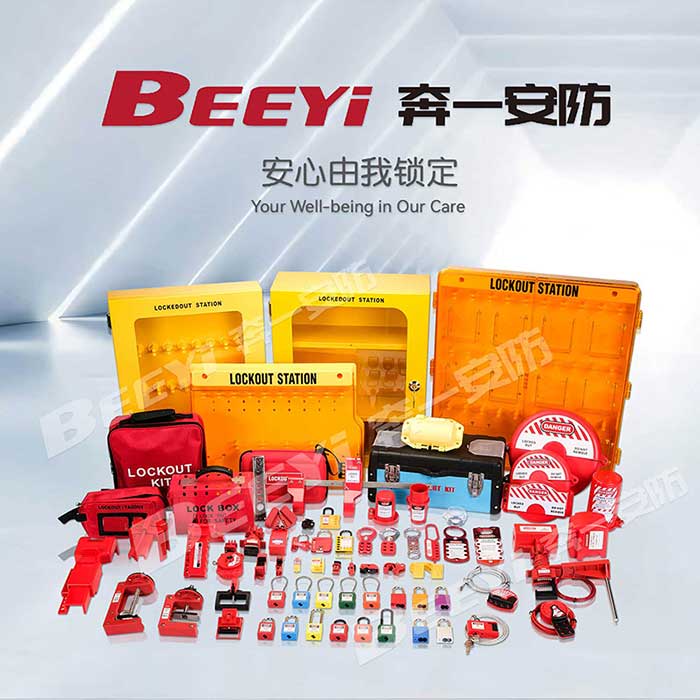
Understanding Pneumatic Lockouts
Pneumatic Lockouts are devices used to isolate or secure pneumatic systems to prevent them from being accidentally activated during maintenance or repair. The fundamental purpose of these lockouts is to provide a mechanical barrier to control the flow of compressed air, gas, or other fluids within a pneumatic system. By locking valves, pressure sources, or entire pneumatic circuits, workers can safely access machinery without worrying about unexpected system operations.
Typically, Pneumatic Lockouts are employed in various industrial environments such as manufacturing plants, energy facilities, and automation systems, where compressed air is used to power tools, machinery, and control systems. These lockouts prevent the energy source from engaging unexpectedly, which is particularly important in high-risk operations where the safety of workers is paramount.