the importance of lock out equipment in ensuring workplace safety
Release time:2026-03-05 22:34:54
In industrial settings, safety should always be a paramount concern. One such critical aspect of workplace safety is locking out equipment, a procedure designed to protect workers from the accidental energization of machinery during maintenance or repair tasks. The Lock Out/Tag Out (LOTO) program, a widely recognized safety regulation, plays a significant role in preventing injuries and even fatalities associated with unexpected machine startups. This article explores the importance of lock out equipment, the components of an effective lockout program, and the best practices for implementation.
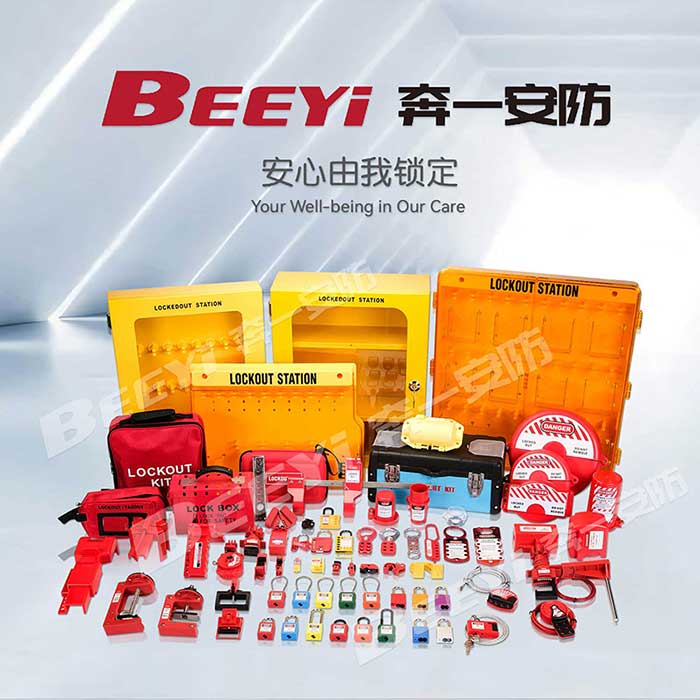
Understanding Lock Out Equipment
Lock out equipment refers to safety devices such as padlocks, lockout hasps, and tags that are used to render machinery inoperable while maintenance or inspection is taking place. The lockout process involves several steps, which include identifying energy sources, isolating them, and ensuring a safe environment for workers.
Lockout equipment is vital for various energy sources, including electrical, mechanical, hydraulic, pneumatic, thermal, and chemical energies. Each type of energy requires specific lockout devices and methods to ensure complete safety, making it essential for workplaces to be equipped accordingly.