understanding pneumatic lockouts: essential safety for industrial operations
Release time:2026-03-06 20:51:24
Pneumatic systems are essential in a wide range of industrial operations, providing the force and power needed to operate equipment efficiently. However, these systems can also pose significant risks to workers, especially during maintenance and repair tasks. This is where pneumatic lockouts come into play. As an integral part of a comprehensive lockout/tagout (LOTO) program, pneumatic lockouts ensure that machines powered by compressed air or gas are completely de-energized before workers perform maintenance, thus preventing accidents and injuries. In this article, we will explore what pneumatic lockouts are, why they are important, and how they are used to improve safety in industrial environments.
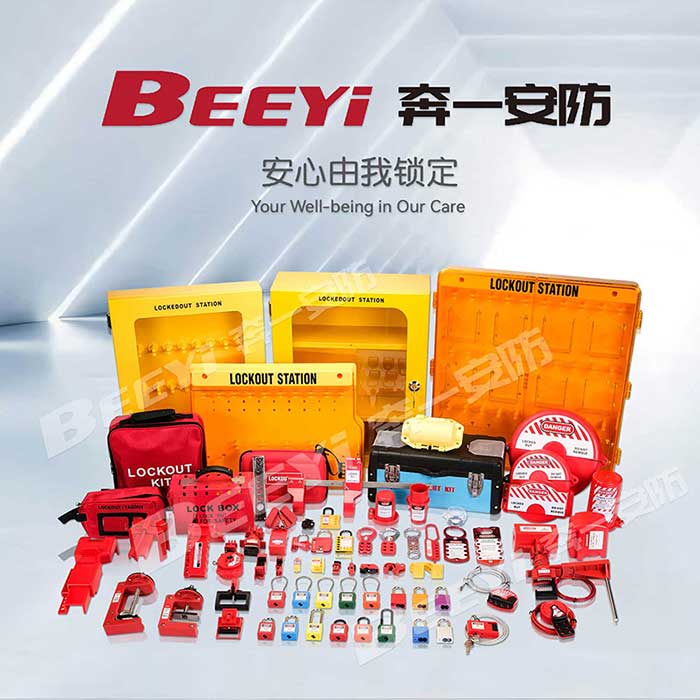
What are Pneumatic Lockouts?
Pneumatic lockouts are devices used to prevent the inadvertent activation of pneumatic systems during maintenance, repair, or service work. These lockouts physically isolate the energy source, typically compressed air, by locking valves, controllers, or other components in a closed or off position. By securing the energy source and preventing its accidental release, pneumatic lockouts ensure that workers are not exposed to the hazards of moving parts or pressurized systems while working on machines or equipment.
These lockouts are often used in compliance with lockout/tagout (LOTO) procedures, which are safety practices designed to protect workers from the unexpected release of hazardous energy during servicing. The LOTO standard, which is enforced by the Occupational Safety and Health Administration (OSHA), requires industries to implement lockout devices and ensure that they are used properly to prevent injuries.