pneumatic lockouts application: ensuring safety in industrial environments
Release time:2026-03-06 22:59:23
In industrial settings, safety is paramount. One of the critical safety measures in the management of equipment and energy sources is the use of lockout/tagout (LOTO) procedures. These procedures aim to protect workers from hazardous energy sources during maintenance, repair, or service operations. Among the various types of energy sources, pneumatic systems, which use compressed air or gas to power machinery, are common in industries like manufacturing, oil and gas, and pharmaceuticals. In this context, pneumatic lockouts play a vital role in ensuring that pneumatic energy is safely isolated during these operations.
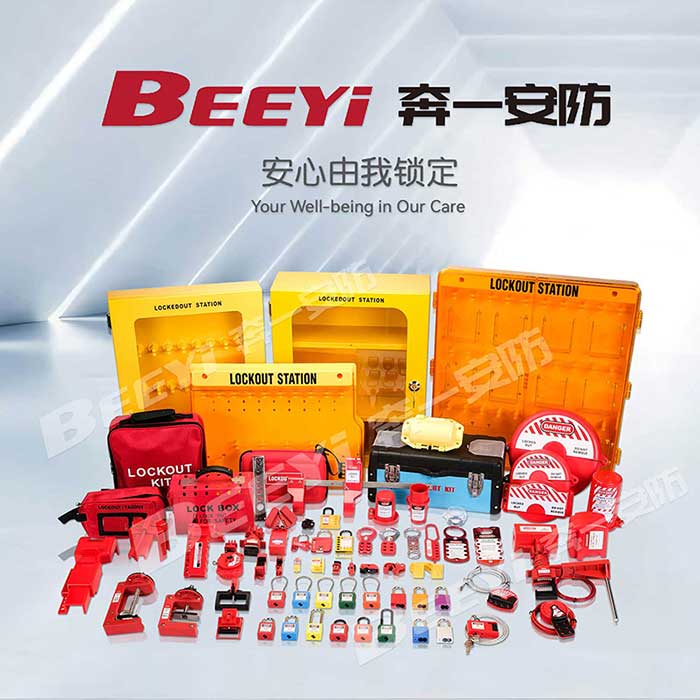
What are Pneumatic Lockouts?
Pneumatic lockouts are safety devices designed to lock out the valves and controls of pneumatic systems. Pneumatic systems rely on compressed air or gas to operate machinery and equipment, and accidental activation of these systems during maintenance can be dangerous. Pneumatic lockouts isolate these systems by physically locking the valve or control switch in a safe position (usually the "off" or "closed" position), preventing the inadvertent release of pneumatic energy.
These lockouts are a crucial part of lockout/tagout procedures, which aim to prevent accidents caused by the unexpected activation of machinery and equipment. Without the use of proper isolation techniques like pneumatic lockouts, workers could face risks such as being trapped by moving parts, exposed to high-pressure air, or subjected to uncontrolled machine operation.