loto safety: protecting workers through effective lockout/tagout procedures
Release time:2026-03-07 00:25:56
Lockout/Tagout (LOTO) is one of the most important safety procedures in industrial and workplace environments where machinery and hazardous energy sources are present. The purpose of LOTO is to protect workers from unexpected startup of equipment or the release of stored energy during maintenance, repair, or servicing activities. By following proper LOTO procedures, companies can significantly reduce the risk of serious injuries and even fatalities. It is not only a best practice but also a legal requirement in many countries and industries.
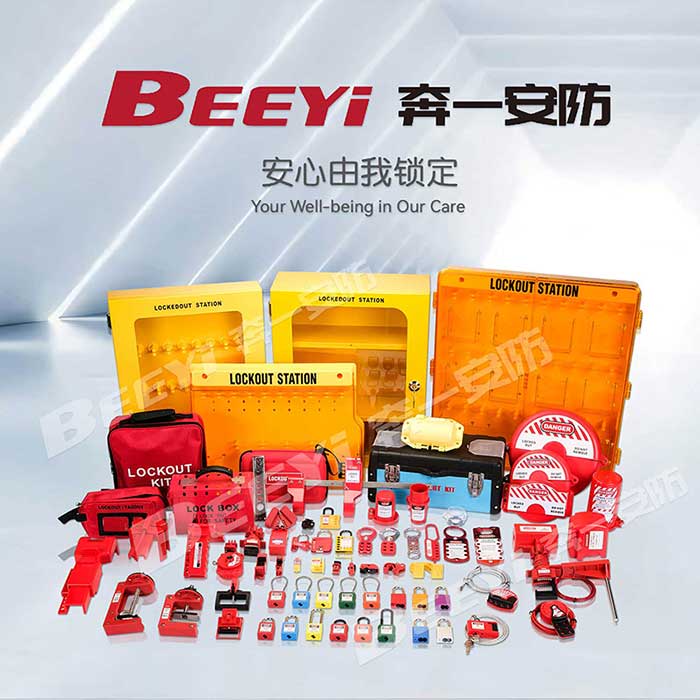
At its core, LOTO is designed to control hazardous energy. Machines and equipment can store energy in many forms, including electrical, mechanical, hydraulic, pneumatic, chemical, and thermal energy. Even after a machine is turned off, dangerous energy may still remain inside. For example, electrical systems may retain charge, pressurized systems may contain trapped air or fluid, and mechanical parts may continue moving due to gravity or momentum. Without proper isolation, this hidden energy can cause accidents.
The LOTO process generally begins with preparation and notification. Before starting any maintenance work, authorized employees must identify all energy sources connected to the equipment. They must also inform affected employees that the machine will be shut down and locked out. Communication is essential to ensure that no one attempts to operate the equipment during servicing.