understanding lock out padlocks: essential tools for industrial safety and maintenance
Release time:2026-03-07 01:15:33
In industrial settings, safety is of paramount importance, especially when it comes to maintaining complex machinery and equipment. One critical aspect of ensuring workplace safety is the Lock Out Padlock system, a key component of Lockout-Tagout (LOTO) procedures. This article delves into what lock-out padlocks are, their importance in industrial environments, their unique features, and how they contribute to safe and efficient maintenance practices.
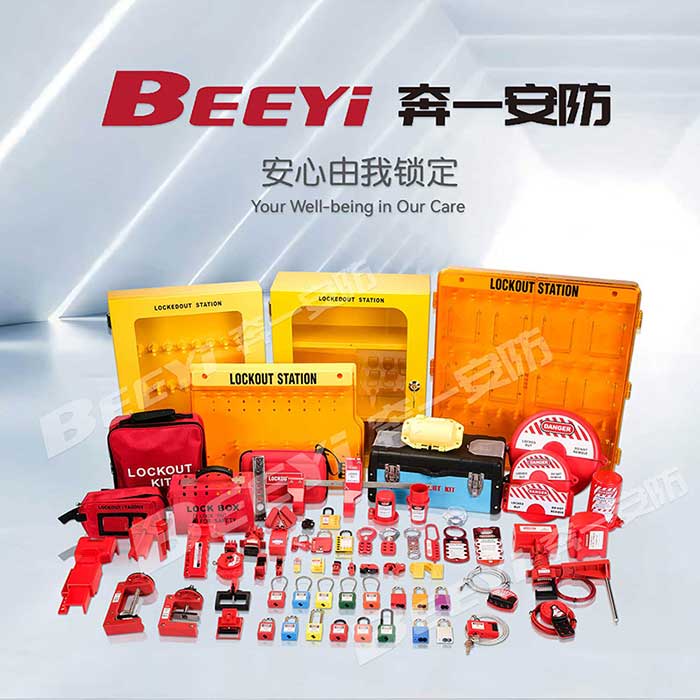
What Are Lock Out Padlocks?
Lock-out padlocks, also known as safety padlocks, are specialized locking devices used to secure machinery and equipment during maintenance, repair, or servicing operations. These locks are designed to prevent accidental operation or release of hazardous energy, such as electricity, gas, hydraulic pressure, or mechanical force. A lock-out padlock is typically applied to an energy-isolating device, such as a valve, switch, or circuit breaker, to ensure that the equipment cannot be restarted until the lock is removed by the person who installed it.
Lock-out padlocks play a critical role in Lockout-Tagout (LOTO) procedures, a standard safety protocol implemented in many industrial settings. This system ensures that energy sources are effectively isolated, and maintenance workers are protected from potential injuries due to unexpected equipment startup or energy release.