the importance of lock out equipment in ensuring workplace safety
Release time:2026-03-07 06:50:34
Lock out equipment plays a critical role in workplace safety, particularly in industries where hazardous energy sources, such as electricity, gas, and mechanical forces, are present. The practice of "lock out/tag out" (LOTO) is a vital safety procedure designed to protect workers from accidents and injuries while they perform maintenance or servicing tasks on machines and equipment. This article will explore the significance of lock out equipment, its types, and its application in various industries to ensure safety and compliance with occupational health and safety standards.
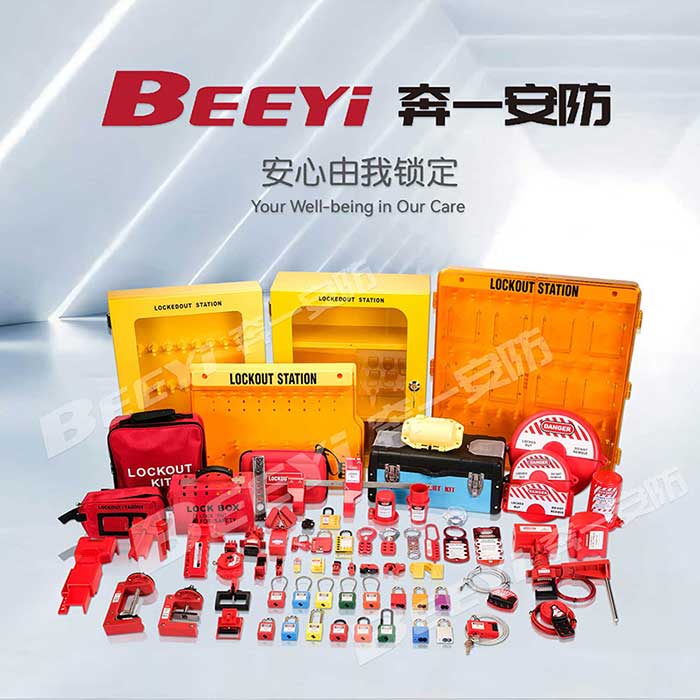
What is Lock Out Equipment?
Lock out equipment refers to devices and tools that are used to physically isolate machines, systems, or equipment from their energy sources during maintenance, repair, or cleaning activities. The purpose of lock out equipment is to prevent the accidental release of hazardous energy that could cause injury or even death. By securely locking energy control points—such as circuit breakers, valves, or energy isolation switches—lock out equipment ensures that employees are protected from unexpected equipment startup or energy release while working.
Lock out devices typically work in conjunction with a comprehensive lock out/tag out program, which involves isolating energy sources and clearly marking the machines as "locked out" to prevent accidental operation. This process helps prevent accidents caused by electrical shocks, chemical spills, or machinery movement that could result in serious injuries.