understanding loto lock: enhancing workplace safety through effective lockout/tagout procedures
Release time:2026-03-07 15:52:37
In today's fast-paced industrial environment, employee safety is a top priority. One crucial method for ensuring safety during maintenance and repair work is the Lockout/Tagout (LOTO) procedure. A critical component of this procedure is the Loto Lock — a mechanical device used to secure energy-isolating devices, ensuring that machines and equipment cannot be unintentionally activated while servicing is performed. This article explores the significance of Loto Locks, their proper implementation, and the positive impact they have on workplace safety.
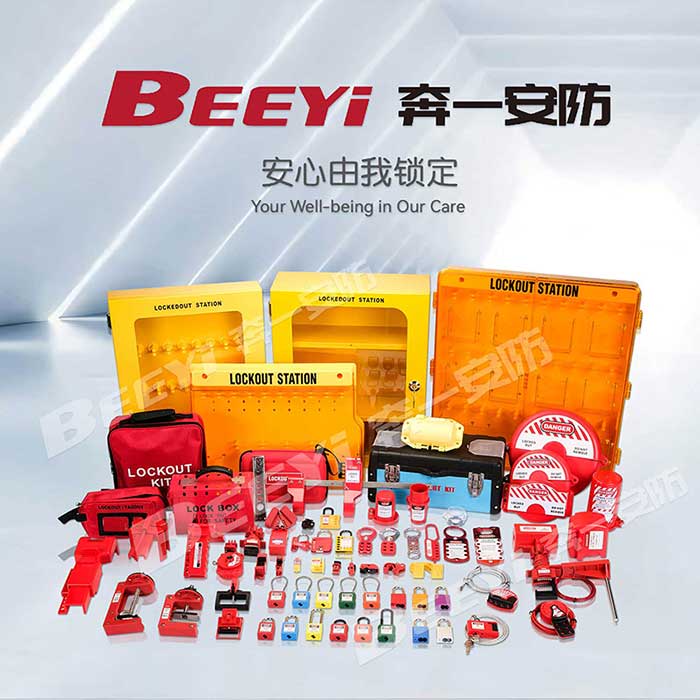
The Loto Lock system operates on the principle of preventing the unintentional release of hazardous energy. It is designed to lock out energy sources, thereby protecting workers from equipment start-up, electrical shock, and other potential hazards. Loto Locks are typically made of durable materials that withstand tampering and harsh environmental conditions, making them reliable tools for safeguarding employee safety.
When a technician or maintenance worker is tasked with repairing or servicing a machine, the first step in the Lockout/Tagout procedure is to identify all energy sources connected to that equipment. This includes electrical, hydraulic, pneumatic, thermal, and other forms of energy that could pose a danger. Once identified, the worker must fully shut down the machine according to the manufacturer’s instructions.