understanding safety lockout tags: ensuring workplace safety and preventing accidents
Release time:2026-03-08 15:41:58
Safety is a top priority in any workplace, especially in environments where hazardous machinery or energy sources are involved. One of the most important safety measures for ensuring the protection of workers is the lockout/tagout (LOTO) procedure. At the heart of this process is the use of safety lockout tags, which serve as a visual warning to prevent accidental operation of equipment during maintenance or repair. This article explores the importance, use, and best practices of safety lockout tags in maintaining workplace safety.
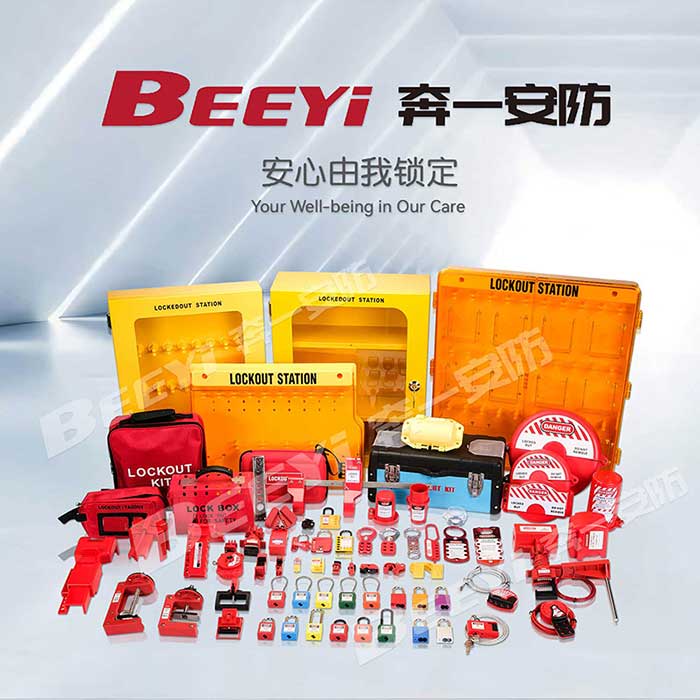
The Purpose of Safety Lockout Tags
Safety lockout tags are designed to prevent accidental equipment start-up during maintenance, servicing, or repair. When machinery or electrical systems need to be temporarily disabled, these tags are placed on the equipment to clearly communicate that the machine or device should not be operated until the work is completed. These tags provide essential information about who is working on the equipment, the type of work being performed, and how to safely re-energize the system once maintenance is complete.
The primary function of safety lockout tags is to prevent injuries and fatalities. Equipment in industrial or manufacturing settings can often be complex and dangerous, with high-voltage electrical components, pressurized systems, or moving parts. If the equipment is not properly locked out and tagged, there’s a risk of inadvertent activation, leading to severe accidents.