understanding safety lockout tags: a key component in workplace safety
Release time:2026-03-09 07:40:32
In various industries, ensuring the safety and well-being of employees is paramount. One of the critical practices in maintaining such safety measures is the Lockout/Tagout (LOTO) procedure, which prevents the unexpected start-up of machinery during maintenance or repair work. At the heart of this process lies a vital tool—safety lockout tags. These tags serve as an essential communication tool that helps protect workers from hazardous energy release during maintenance activities.
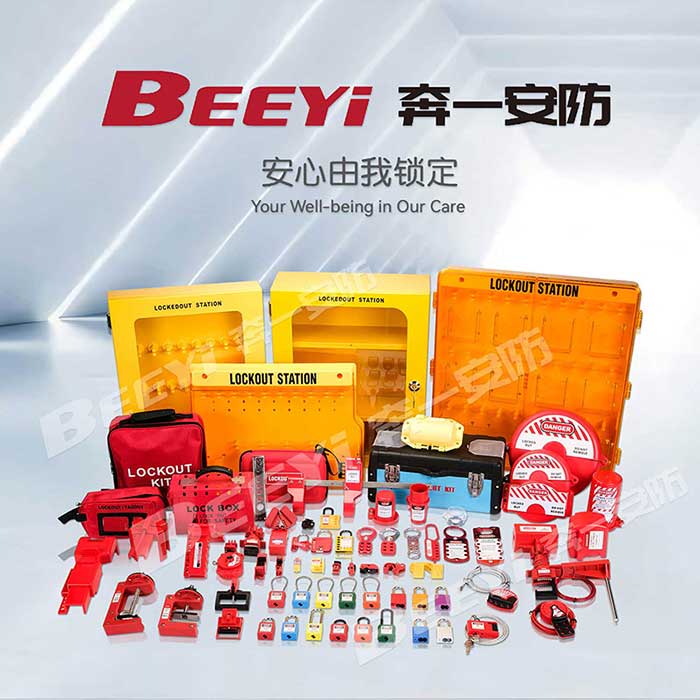
What Are Safety Lockout Tags?
Safety lockout tags are visually striking tags attached to equipment that has been shut down and locked out to indicate that it cannot be operated until special procedures are followed. Typically made of durable materials such as polyethylene or vinyl, they are designed to withstand adverse environmental conditions, ensuring that they remain legible and intact for long periods. Their bright colors, usually in yellow or red, help to alert workers to the presence of a hazard immediately.
Importance of Safety Lockout Tags
The significance of safety lockout tags cannot be overstated. In workplaces where heavy machinery and potentially dangerous equipment are involved, ensuring that these machines cannot be inadvertently activated during maintenance is crucial for preventing accidents. According to the Occupational Safety and Health Administration (OSHA), failure to implement lockout/tagout procedures can result in severe injuries or even fatalities. Thus, safety lockout tags play a pivotal role in adhering to these mandated safety regulations.