industrial safety padlock: ensuring workplace safety through lockout/tagout procedures
Release time:2026-03-11 08:55:14
In industrial environments, safety is of paramount importance. Every year, thousands of workplace injuries occur due to the unexpected startup of machines during maintenance, repair, or other non-operational tasks. To prevent these types of accidents, various safety measures are implemented, and one such critical tool is the Industrial Safety Padlock. Used as part of the Lockout/Tagout (LOTO) procedure, the Industrial Safety Padlock plays an essential role in ensuring the safety of workers across numerous industries. This article explores the purpose, features, and importance of Industrial Safety Padlocks, as well as their key role in maintaining a safe working environment.
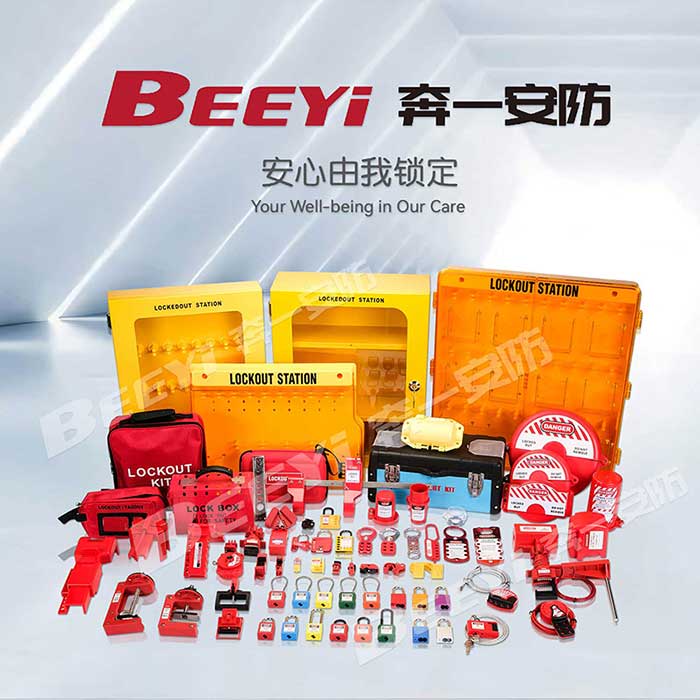
Purpose and Functionality of Industrial Safety Padlocks
The primary purpose of an Industrial Safety Padlock is to physically prevent the operation of machinery or equipment during maintenance or servicing. This is done by locking off dangerous machinery parts, such as switches, valves, or power sources, so that they cannot be accidentally turned on while workers are interacting with the equipment. This lockout method is part of a larger safety procedure known as Lockout/Tagout (LOTO), a practice mandated by safety regulations in many countries, including OSHA in the United States.
LOTO procedures are designed to control hazardous energy sources and ensure that equipment remains de-energized and properly isolated while workers are performing maintenance tasks. The Industrial Safety Padlock is the key component that guarantees workers cannot accidentally engage equipment during these tasks, reducing the risk of injury or even death.