understanding lockout hasps application: ensuring safety in the workplace
Release time:2026-03-12 12:49:49
Lockout hasps are vital safety devices used in industrial and construction environments to ensure the secure locking of equipment and machinery during maintenance or repair processes. They play a crucial role in the Lockout/Tagout (LOTO) safety program, which is designed to prevent the accidental startup or energy release from machines, safeguarding workers from potential hazards. This article delves into the application of lockout hasps, their functionality, types, and their importance in promoting workplace safety.
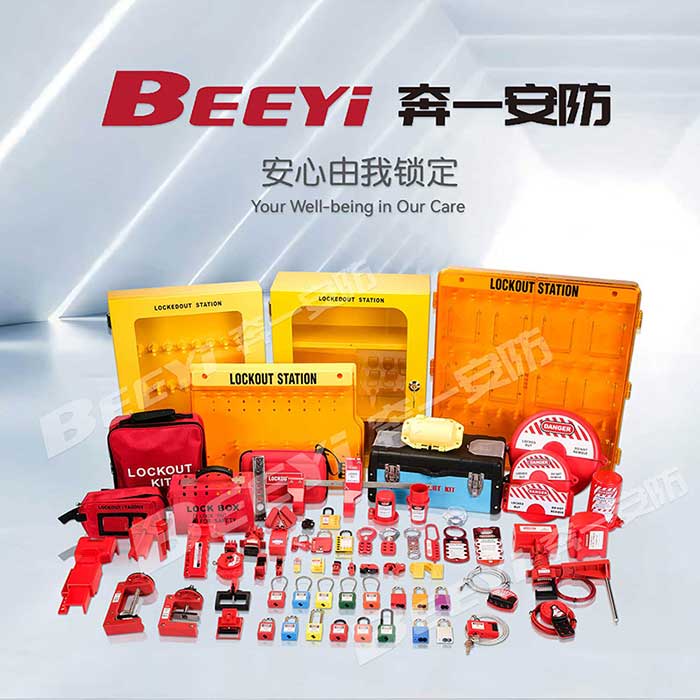
The Purpose of Lockout Hasps
The primary function of lockout hasps is to allow multiple locks to be attached to a single energy-isolating device. This feature is particularly advantageous in environments where multiple technicians or maintenance workers are involved in a task. Lockout hasps are typically made from durable materials such as metal or heavy-duty plastic, ensuring they can withstand the often harsh conditions of industrial settings. By employing a lockout hasp, workers can effectively communicate that a specific piece of equipment is in maintenance mode and should not be operated until all locks are removed.