lockout hasps installation guide: ensuring workplace safety through proper lockout procedures
Release time:2026-03-13 03:54:10
Lockout Hasps are essential safety devices that ensure workers’ protection during maintenance or repair work by preventing machinery from being unintentionally powered on. They are widely used in industrial environments to implement the lockout/tagout (LOTO) procedures, which are crucial for controlling hazardous energy sources. The following Lockout Hasps installation guide will walk you through the steps to ensure that Lockout Hasps are used effectively and safely to protect workers from workplace accidents.
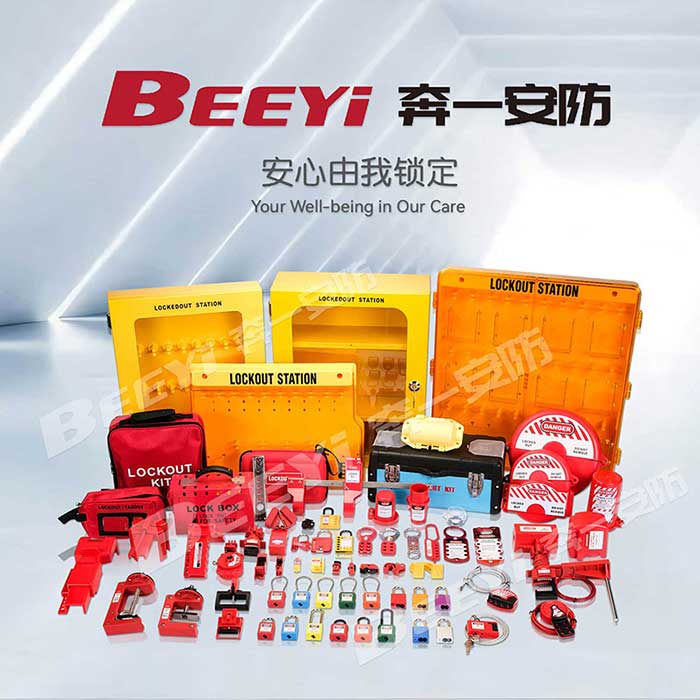
1. Understanding Lockout Hasps
Lockout Hasps are multi-locking devices that allow multiple workers to safely lock out a machine or piece of equipment while performing maintenance. They are designed to hold multiple locks, ensuring that each individual involved in the maintenance process can secure the equipment. The lockout process prevents equipment from being operated while it is being worked on, reducing the risk of accidents caused by accidental machine startup.
2. Choosing the Right Lockout Hasp
Before installation, selecting the appropriate Lockout Hasp is critical. There are different types available based on the equipment’s design and the number of workers involved. Some Lockout Hasps are small, designed for single-device applications, while others are larger, meant to secure larger systems or multiple energy-isolating points. When selecting a Lockout Hasp, consider the following: