understanding loto lock: a critical tool for workplace safety
Release time:2026-03-13 14:22:04
In today’s rapidly evolving industrial environment, safety continues to be a paramount concern for employers and employees alike. One of the most vital safety practices implemented in various industries is the Lockout/Tagout (LOTO) procedure. A crucial component of this process is the Loto Lock, a specialized locking mechanism designed to ensure the safety of workers during equipment maintenance and servicing. This article delves into the significance, functionality, and application of Loto Locks in promoting workplace safety.
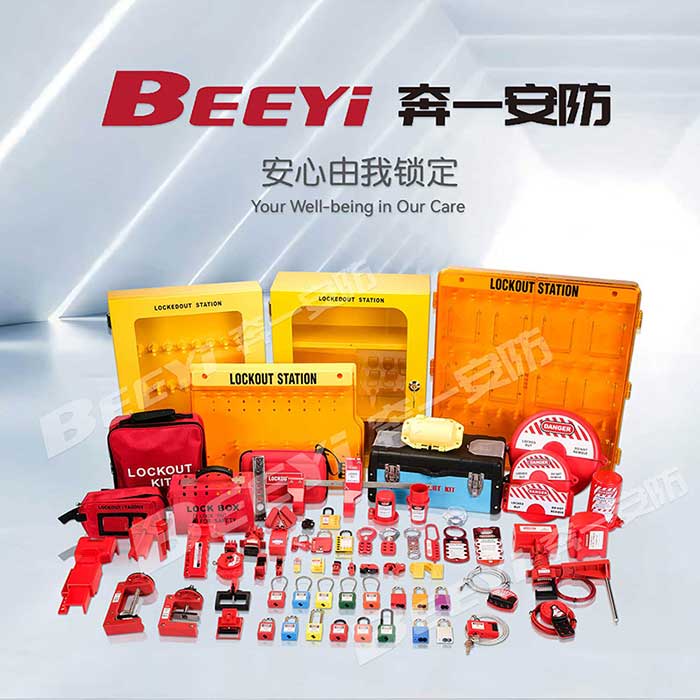
What is Loto Lock?
Loto Lock is a safety device used to lock out machinery and equipment during service or maintenance. This system prevents the accidental start-up or activation of equipment while a technician is working on it, thus protecting workers from potentially life-threatening situations. The term “Loto” stands for “Lockout/Tagout,” a procedure mandated by occupational safety regulations in many countries, including the Occupational Safety and Health Administration (OSHA) guidelines in the United States.
The Importance of Loto Lock
The primary purpose of a Loto Lock is to enhance the safety of employees working on or near hazardous machinery. According to OSHA, thousands of workers are injured every year due to accidental machine start-ups. By using Loto Locks, organizations can significantly reduce these incidents, providing a safer working environment. Furthermore, the use of Loto Locks fosters a culture of safety, showing employees that their well-being is a company priority.