understanding tagout: a key safety procedure for industrial environments
Release time:2026-03-14 09:46:19
Tagout is an essential safety procedure commonly used in industrial and manufacturing environments to ensure that machinery and equipment are properly secured during maintenance and repair work. This safety protocol is a critical component of the Lockout/Tagout (LOTO) system, which is designed to prevent accidents and injuries caused by the accidental startup or release of hazardous energy while workers are servicing equipment. The tagout system focuses on the use of visual warnings and precautionary labeling to indicate that the equipment is not safe to operate. This article will delve into the importance of Tagout, its application, and the safety benefits it offers.
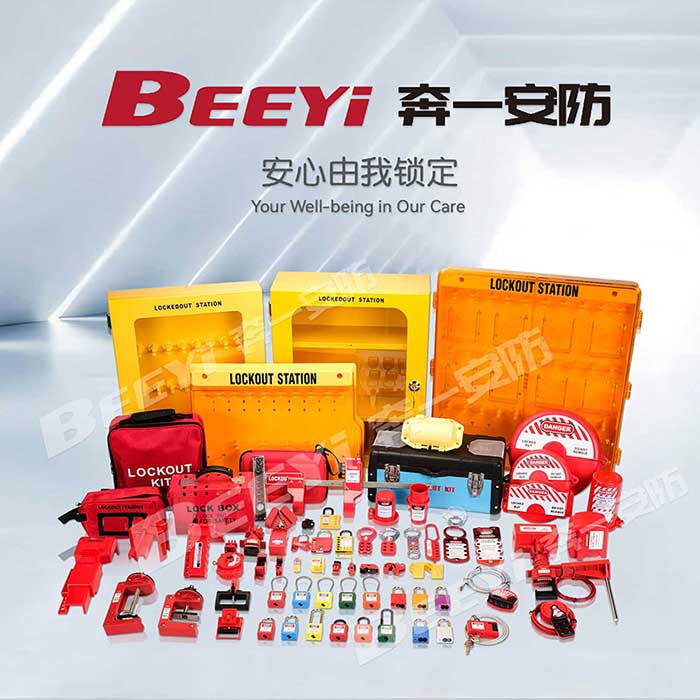
What is Tagout?
Tagout involves placing a tag or label on equipment or machinery to warn workers that the equipment is being serviced and should not be operated until the work is completed. Unlike Lockout, which requires physically locking the energy isolation points (such as electrical switches or valves) to prevent operation, Tagout relies on the use of warning tags or labels that clearly communicate the hazardous status of the equipment. These tags are typically colorful, highly visible, and have clear information such as the reason for the lockout/tagout, the identity of the person performing the work, and the expected completion time of the maintenance.